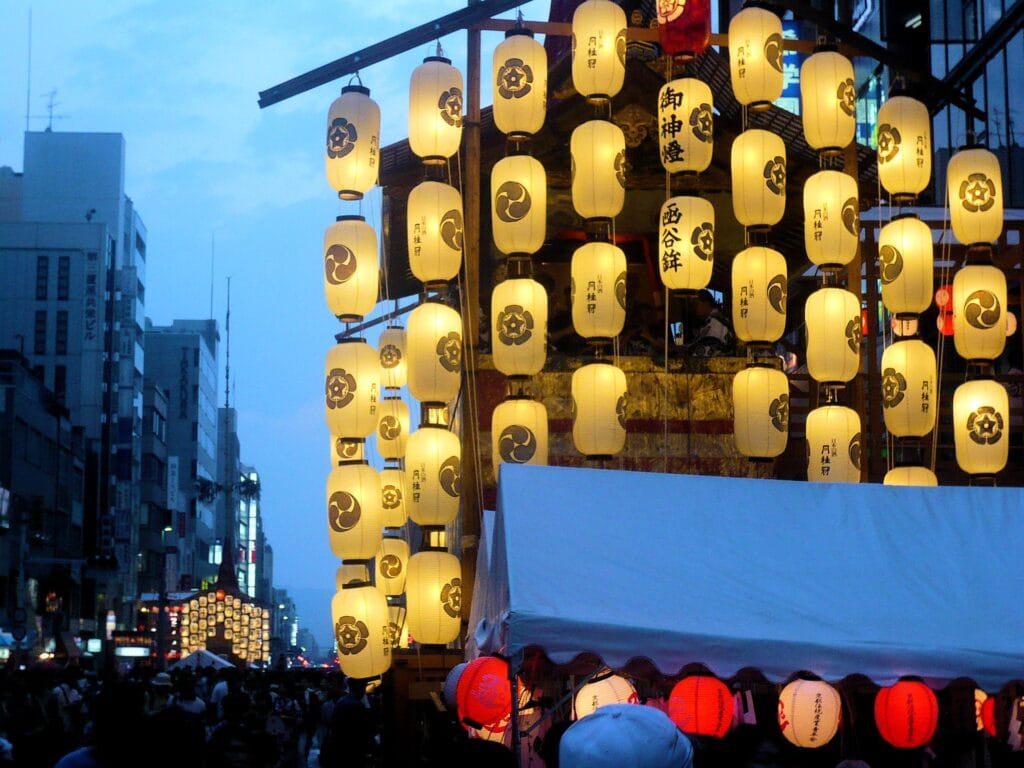
Choose between preparation, Yoiyama evenings and the two procession phases before accommodation availability makes the decision for you.
- Festival span
- July program
- Booking decision
- One chosen phase
- Broad window
- July 1–31
- Reading time
- 7 minutes
Which part of Gion Matsuri should shape the trip?
The answer depends on whether the traveler wants procession scale, street evenings, cultural preparation or a quieter Kyoto stay with festival context.
Book the phase, not the festival name.
The Saki and Ato periods have different procession dates and evening character. Arriving between them without checking the program can mean paying peak prices for the wrong experience.
Read July as four different travel moods.
Official schedules remain the authority. This framework explains how each phase changes the visitor's day rather than reducing the month to one highlight.
-
Early July
Preparation and cultural context
The month begins before the largest street crowds. This period suits travelers interested in the festival's civic and ritual setting rather than only the headline procession.
-
Saki phase
Yoiyama evenings and the first procession
The busier first phase builds through evening street programs before the July 17 procession. Walking routes and heat recovery need advance thought.
-
Between phases
Kyoto regains some breathing room
Use the interval for neighborhood-scale Kyoto days while checking which displays, ceremonies or road changes continue.
-
Ato phase
A different evening mood and second procession
The later phase leads to the July 24 procession and is not a simple repeat. Confirm its own route, timings and public-program details.
Stay for the daily Kyoto route, not directly under a map pin.
Festival streets change by phase. A useful base balances walking access, heat recovery and a simple return after road or transit changes.
-
Central Kyoto
Best for: festival-first walking
Useful for reaching several central program areas on foot and returning for a midday rest when summer conditions become tiring.
Tradeoff: Demand, street noise and temporary access changes can be significant.
-
Gion or Higashiyama edge
Best for: heritage atmosphere
A strong choice when eastern Kyoto is equally important and the traveler accepts a deliberate walk or transit plan to procession areas.
Tradeoff: The festival name does not mean every major program occurs beside this base.
-
Kyoto Station area
Best for: rail and regional movement
Practical for arrivals, departures and Kansai extensions, with predictable transport options back from a central walking day.
Tradeoff: Less immediate street atmosphere and more reliance on the final connection.
Heat, crowds and living tradition all affect the route.
Street movement
Expect road changes, slow pedestrian flow and limited shortcuts. Choose one viewing area, know the exit direction and avoid using residential lanes as crowd bypasses.
July conditions
Kyoto in July can be hot and humid. Build an indoor or shaded break before evening programs and carry water without assuming every stop will be quick.
Cultural context
Follow official photography, access and crowd instructions. The festival is a living community tradition; public visibility does not turn every moment into unrestricted visitor entertainment.
What not to force
Drop the second distant temple district, the perfect procession viewpoint and any restaurant booking that requires cutting through the busiest streets on time.