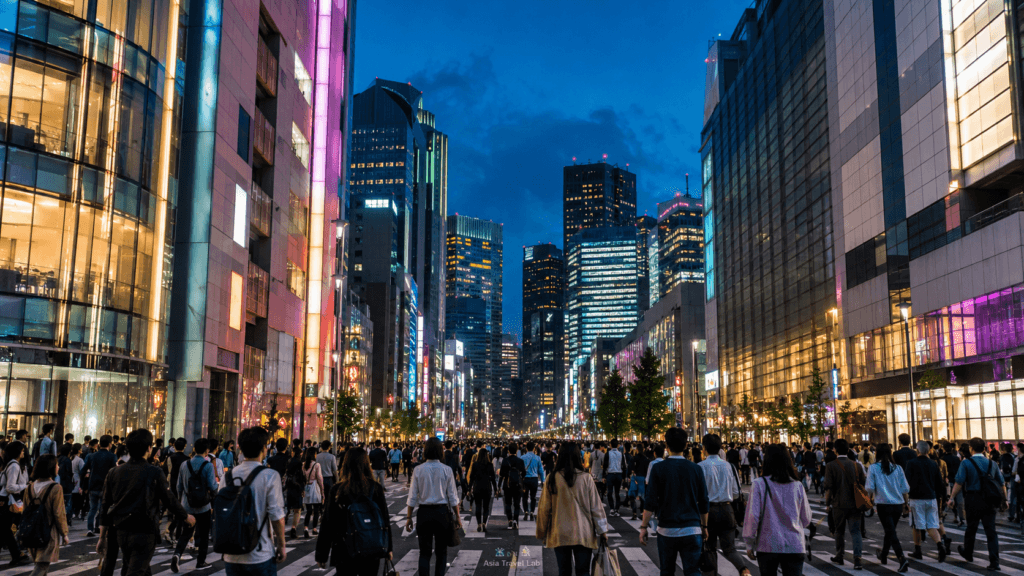
Shinjuku is one of Tokyo’s easiest neighborhoods to reach and one of the hardest neighborhoods to understand in five minutes.
It has one of the world’s busiest train stations, free skyline views, neon nightlife, tiny food alleys, department stores, electronics shops, hotels, gardens, ramen, crowds, and station exits that seem to multiply when you are tired.
Many first-time visitors imagine Shinjuku as one simple area. It is not. Shinjuku is more like several Tokyo neighborhoods wearing one giant coat.
West Shinjuku has skyscrapers and the Tokyo Metropolitan Government Building. East Shinjuku has shopping, restaurants and nightlife. Kabukicho brings neon, entertainment and late-night energy. Shinjuku Gyoen gives you trees, lawns and the sudden memory that breathing is nice.
This Shinjuku guide covers the best things to do in 2026, including Tokyo Metropolitan Government Building Observatory, Shinjuku Gyoen, Omoide Yokocho, Golden Gai, Kabukicho, Tokyu Kabukicho Tower, Godzilla Head, Isetan Shinjuku, food, shopping, nightlife, transport tips and a simple first-time visitor route.
Before planning your Shinjuku day, it helps to understand the bigger city layout in Tokyo Travel Guide 2026. For a full first-time route, pair this guide with Tokyo Itinerary 2026. If you are deciding between Shinjuku and Shibuya as a hotel base, compare both in Where to Stay in Tokyo 2026.
Some links in this guide may be affiliate links, which means we may earn a small commission if you book through them, at no extra cost to you.
Why Visit Shinjuku in 2026?
Shinjuku is one of the most useful areas in Tokyo for first-time visitors.
It works as a sightseeing stop, a hotel base, a food area, a nightlife district, a shopping zone and a transport hub. You can start the day in a peaceful garden, look over Tokyo from a free observatory, eat yakitori in a narrow alley, shop in a department store, and end the night under glowing signs in Kabukicho.
That is a lot for one neighborhood. Shinjuku does not believe in being modest.
For first-time visitors, Shinjuku is especially useful because it gives you several versions of Tokyo in one area. You can see the business skyline, a major garden, busy shopping streets, old-style food alleys and neon nightlife without crossing the whole city.
The important thing is to divide Shinjuku by area. If you try to understand it as one big blob on a map, Shinjuku may turn your simple plan into a surprisingly long walk.
Quick Shinjuku Travel Tips
For most first-time visitors, Shinjuku works best as either a half-day route or an evening plan.
If you want a balanced visit, come in the afternoon for Shinjuku Gyoen, continue to the Tokyo Metropolitan Government Building Observatory before sunset or evening, then head toward Omoide Yokocho, Kabukicho or Golden Gai at night.
Here are the basics:
- Best free view: Tokyo Metropolitan Government Building Observatory
- Best calm daytime stop: Shinjuku Gyoen National Garden
- Best food alley: Omoide Yokocho
- Best tiny bar area: Golden Gai
- Best neon nightlife atmosphere: Kabukicho
- Best newer entertainment complex: Tokyu Kabukicho Tower
- Best shopping stop: Isetan Shinjuku
- Biggest mistake: choosing the wrong station exit and pretending everything is fine
Shinjuku is not difficult because it lacks transport. It is difficult because it has too much transport. JR lines, private railways, subway lines, bus terminals, underground passages and connected buildings all meet here.
The good news is that once you understand the basic zones, Shinjuku becomes much easier.
The bad news is that the station still enjoys testing people.
How to Understand Shinjuku: East, West, South and Kabukicho
The easiest way to understand Shinjuku is not by memorizing every exit. That way lies confusion and possibly a 17-minute walk you did not order.
Think of Shinjuku by mood.
West Shinjuku is for skyscrapers, business hotels, wide roads and the Tokyo Metropolitan Government Building. This is where you go for the free observatory and big-city skyline views.
East Shinjuku is for shopping, department stores, restaurants, entertainment and the livelier side of the station. This is where many visitors spend the most time.
Kabukicho is the neon nightlife area northeast of the station. It is famous for bright signs, entertainment, hotels, bars, clubs, restaurants and late-night atmosphere. It is worth seeing, but it also deserves common sense.
South Shinjuku is useful for transport, hotels, shopping complexes and bus connections. If you are using the expressway bus terminal, this side matters.
Shinjuku Gyoen sits a little southeast of the main station area and gives the neighborhood its best daytime reset button.
A simple way to plan is to choose your Shinjuku mood first. Go west for views, east for shopping and food, Kabukicho for lights, and Shinjuku Gyoen when you need a quieter daytime break.
If you plan to stay here, compare Tokyo hotels in Shinjuku before booking. Shinjuku can be very convenient, but the exact location matters more than the neighborhood name.
Best Things to Do in Shinjuku
Shinjuku has enough things to do that you should not try to do everything in one visit. Pick a few stops that match your travel style.
If this is your first time, prioritize one view, one food area, one nightlife walk and one calm daytime stop.
Tokyo Metropolitan Government Building Observatory
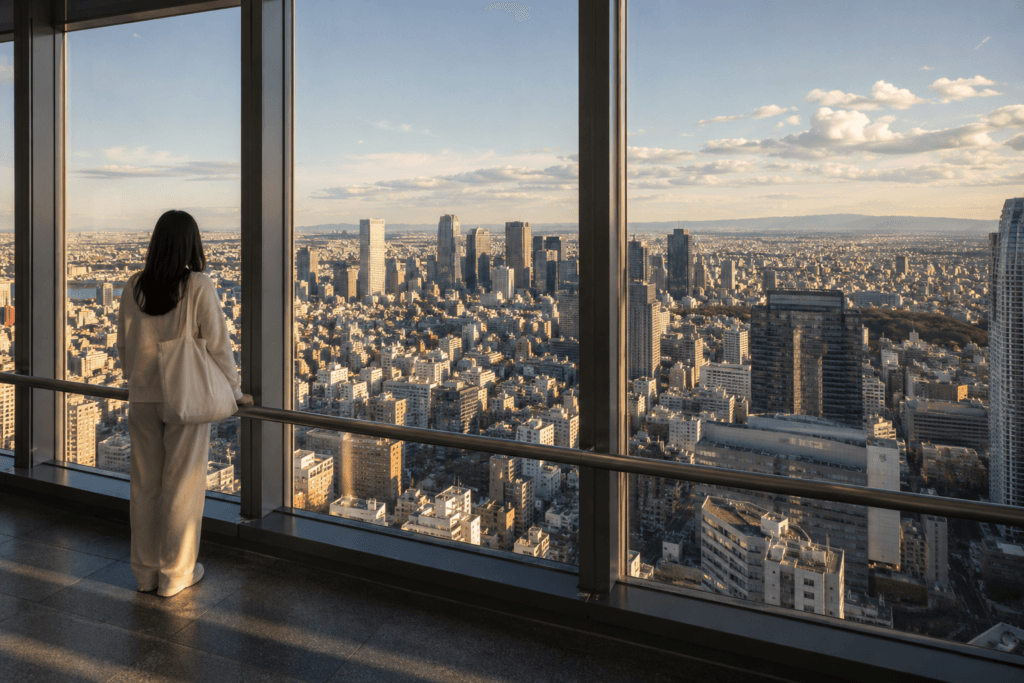
The Tokyo Metropolitan Government Building Observatory is one of the best free things to do in Shinjuku.
Located in West Shinjuku, the building has observatories on the 45th floor, about 202 meters above the city. From up there, you can see Tokyo’s skyline, and on clear days you may spot landmarks such as Tokyo Skytree, Tokyo Bay and sometimes Mt. Fuji.
The observatory is free, which is a beautiful word in Tokyo travel planning.
The observatory usually opens from 9:30 to 22:00, with last entry 30 minutes before closing, but closure days can vary between the north and south observatories. Always check the latest schedule before visiting.
This is not as polished or dramatic as some paid observation decks, but it is extremely practical. You get a big Tokyo view without paying for a ticket, and it pairs very well with a walk through West Shinjuku’s skyscraper area.
Visit during late afternoon if you want daylight turning into evening. Visit after dark if you want a free night view. Either way, your wallet may quietly applaud from inside your bag.
Tokyo Metropolitan Government Building Projection Mapping
If you are near the Tokyo Metropolitan Government Building in the evening, check whether the projection mapping is running.
Tokyo Night & Light uses the exterior of the Tokyo Metropolitan Government Building for large-scale projection mapping, turning the skyscraper into an evening light show. It is an easy add-on after the observatory if you want a low-cost night plan that does not involve another shopping bag.
Because showtimes can change by season, weather or event schedule, check the official timetable before going.
This works best if you are already in West Shinjuku. I would not build your whole evening around it unless you especially enjoy light shows, but it is a fun bonus when the timing fits.
Shinjuku Gyoen National Garden
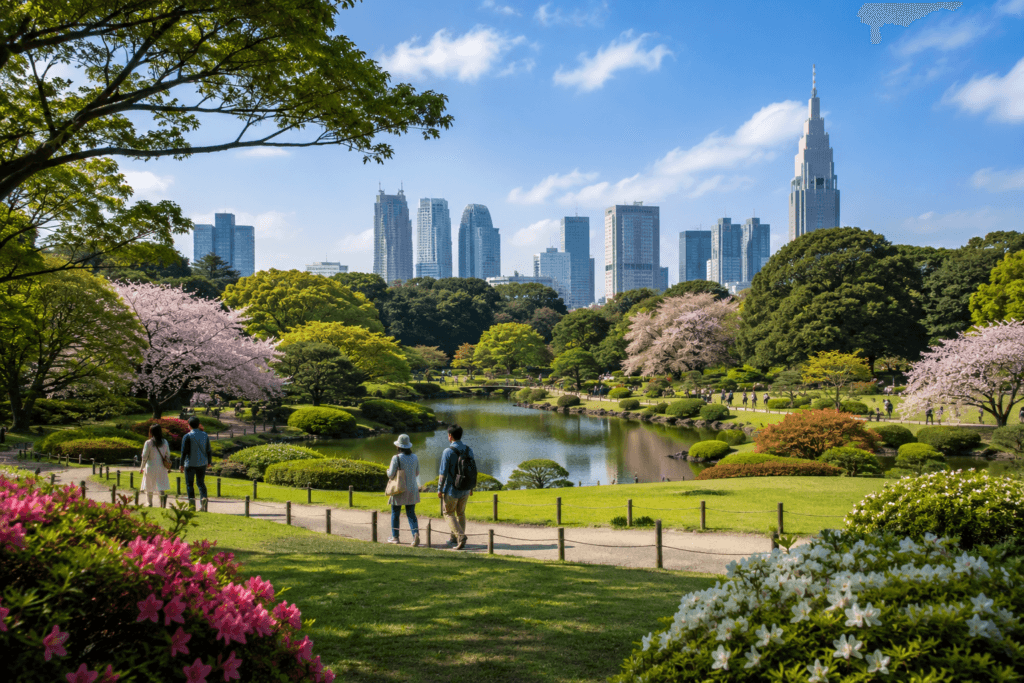
Shinjuku Gyoen is the place to visit when Shinjuku’s lights, exits and crowds start feeling like a little too much.
This large garden is one of Tokyo’s best calm spaces, and it sits surprisingly close to one of the city’s busiest areas. Inside, you will find lawns, seasonal flowers, trees, walking paths, Japanese garden scenery and enough space to remember your own name.
Shinjuku Gyoen usually opens from 9:00, but closing time changes by season. The garden is usually closed on Mondays unless the Monday falls on a national holiday, in which case the closure moves to the next weekday. Adult admission is usually 500 yen.
Cherry blossoms and autumn colors are the obvious highlights, but Shinjuku Gyoen is useful almost any time you want a quieter daytime break. It works well for couples, families, solo travelers, photographers and anyone who needs a soft landing between busier Tokyo neighborhoods.
Do not treat it like a nightlife stop. Go during the day, give yourself enough time and check the closing time before arriving. Gardens do not care that your train transfer was confusing.
Omoide Yokocho
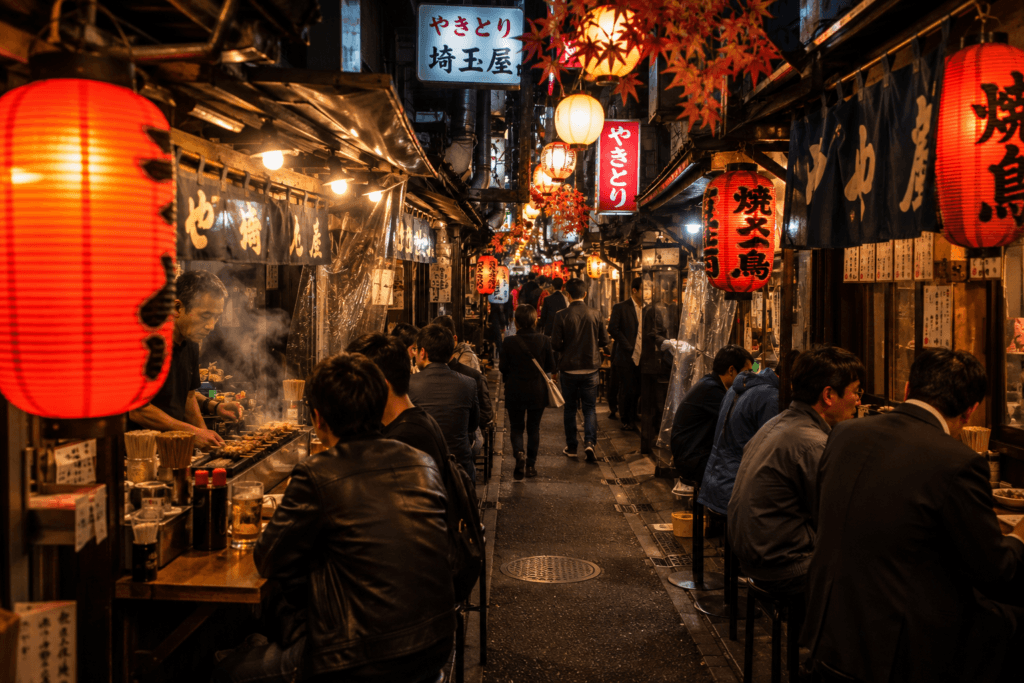
Omoide Yokocho is one of Shinjuku’s most atmospheric food alleys.
Located near the west side of Shinjuku Station, this narrow alley is known for tiny eateries, yakitori, beer, smoke, counter seats and retro Tokyo atmosphere. It feels old, compact and slightly theatrical, but in a way that still functions as a real eating area.
This is not where you go for spacious seating and a calm spreadsheet of menu choices. It is where you squeeze into a small counter, order grilled skewers or simple dishes, and let Shinjuku feel older for an hour.
Omoide Yokocho is best for solo travelers, couples or small groups. A group of six trying to fit into some of these places may become a geometry problem.
Bring some cash, avoid large bags and do not expect every small place to have English menus or lots of seats. If one place feels too full or too intimidating, keep walking. The alley is small, but your options are not zero.
Golden Gai
Golden Gai is one of Shinjuku’s most famous nightlife areas.
It is a compact district of narrow alleys filled with tiny bars, many of them seating only a small number of people. Some bars welcome tourists, some feel more local, and some may have cover charges or rules that are not obvious from the doorway.
Golden Gai is atmospheric, but it is not a theme park.
Walk slowly, read the mood and choose a place that clearly welcomes visitors. If you are unsure, look for signs, menus or staff who seem comfortable with tourists. Ask politely before taking photos. Do not smoke or drink in the street, and do not photograph people or bar interiors without permission.
Most bars open relatively late, often around evening or night rather than daytime. This is not a place to visit at 2 p.m. expecting neon magic and tiny cocktails. At that hour, Golden Gai may look like it is sleeping off its own reputation.
Golden Gai is best for travelers who enjoy small bars, quiet conversations, unusual spaces and nighttime atmosphere. If you feel nervous about bar rules or language, consider a small-group Tokyo nightlife tour. A good guide can make the area feel less like a maze of mysterious doors.
Kabukicho
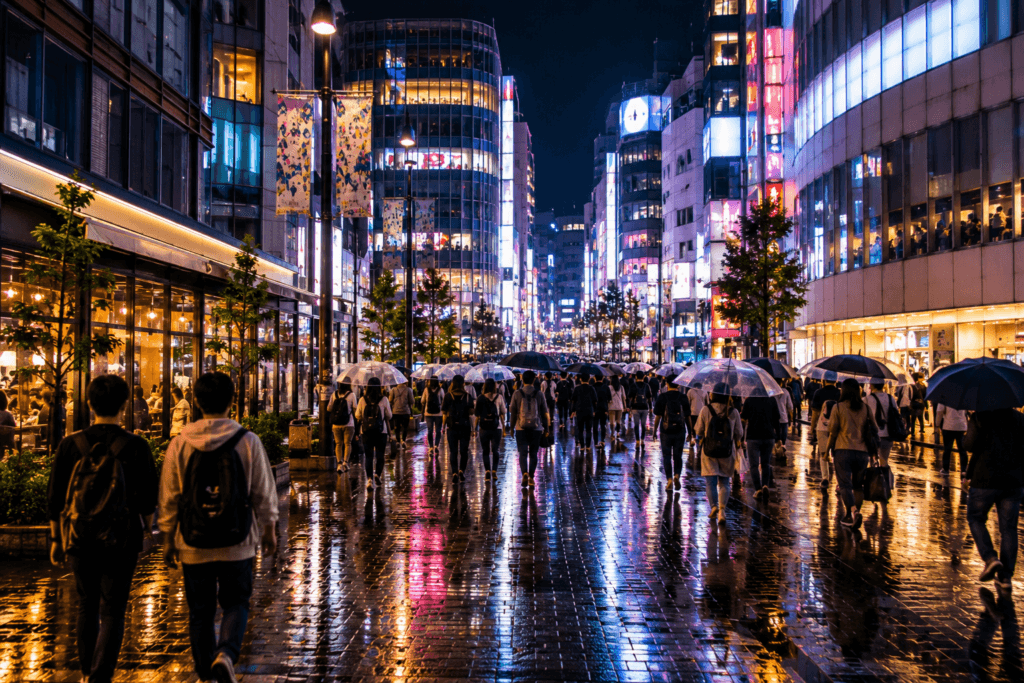
Kabukicho is Shinjuku’s famous neon entertainment district.
It is bright, loud, photogenic and full of nightlife energy. You will find restaurants, bars, hotels, cinemas, entertainment venues and late-night crowds. For many first-time visitors, this is where Shinjuku looks most like the Tokyo they imagined.
Kabukicho is worth seeing for the lights and atmosphere, especially in the evening. Walk around, take in the neon, stop for food and enjoy the city energy.
But common sense should stay awake.
Avoid street touts, do not follow strangers into bars or clubs, check prices before ordering and be cautious with places that are aggressively promoted on the street. Shinjuku is generally safe, but nightlife districts always deserve clear eyes.
A good Kabukicho visit can be simple: walk through the main streets, see the lights, pass Tokyu Kabukicho Tower, spot the Godzilla Head from street level, then continue to dinner or Golden Gai.
You do not need to solve all of Kabukicho in one night. Kabukicho has layers. Some of them are better admired from the sidewalk.
Tokyu Kabukicho Tower
Tokyu Kabukicho Tower is one of the newer landmarks in Kabukicho.
Opened in 2023, it is a large entertainment complex with hotels, cinema, theater, live venues, restaurants and nightlife-friendly facilities under one very vertical roof. It gives Kabukicho a more modern, organized entertainment stop compared with the older maze of streets nearby.
Tokyu Kabukicho Tower is useful when you want Kabukicho’s newer, easier-to-navigate side. You can use it for food, drinks, cinema, live events or a more structured evening stop before walking back into the neon streets.
Do not assume every facility inside has the same hours. Check individual venues if you are planning a specific movie, performance, restaurant or event.
This is not the only thing to see in Kabukicho, but it is a convenient landmark and a practical place to reset if the surrounding streets start to feel too busy.
Godzilla Head
The Godzilla Head is a fun Kabukicho photo landmark.
Located on the Shinjuku Toho Building, it has become one of the easiest visual symbols of Kabukicho. You can often spot it from street level, looking out over the area like it is supervising everyone’s questionable nightlife decisions.
It is fun to see, but do not build your entire Shinjuku night around getting close to it. Access rules can change, and the street view is usually enough for most travelers.
For blog photos or travel photos, remember that Godzilla is a copyrighted character. Take normal personal photos if allowed from public areas, but do not rely on it for commercial-style image creation or branding.
In your actual Shinjuku route, treat it as a quick landmark while walking through Kabukicho.
Isetan Shinjuku
Isetan Shinjuku is one of the easiest department stores to recommend in the area.
It works for fashion, cosmetics, gifts, food, restaurants and rainy-day shopping. It is connected well with Shinjuku-sanchome Station and is also walkable from Shinjuku Station.
The main shopping floors usually operate from 10:00 to 20:00, while the 7th-floor restaurants usually run from 11:00 to 22:00. Hours can vary by store or season, so check ahead if you are visiting for a specific restaurant or shop.
Even if you do not plan to shop seriously, the food floors are worth a look. Department-store basements in Japan are dangerous places for snack budgets. You enter with calm intentions and leave with beautifully packaged sweets, a boxed dinner and questions about who you have become.
If Shinjuku’s street-level energy gets too loud, Isetan gives you a more polished version of Tokyo shopping.
What to Eat in Shinjuku
Shinjuku is one of Tokyo’s easiest areas for food because there are options everywhere.
You can find ramen, sushi, izakaya food, yakitori, tonkatsu, tempura, curry, cafes, department-store food halls, late-night meals and quick station food. The hard part is not finding something to eat. The hard part is choosing before hunger turns the group dramatic.
Omoide Yokocho is the most atmospheric option for first-time visitors, especially if you want yakitori, beer and a compact alley experience. Shinjuku-sanchome is good for restaurants and izakaya, while Kabukicho is useful for late-night casual food.
Department-store basements and food halls are also excellent when you want something easy. Isetan is especially good for prepared foods, sweets, gifts and restaurants, while station-area dining floors can rescue you when the weather or your feet are no longer cooperating.
Shinjuku is also useful for late arrivals. If your train or flight timing puts you in Tokyo at an awkward hour, Shinjuku usually has food options later than quieter neighborhoods.
Still, do not assume every restaurant stays open all night. Tokyo is not a vending machine with buildings. Check hours, especially on weekdays.
Shopping in Shinjuku
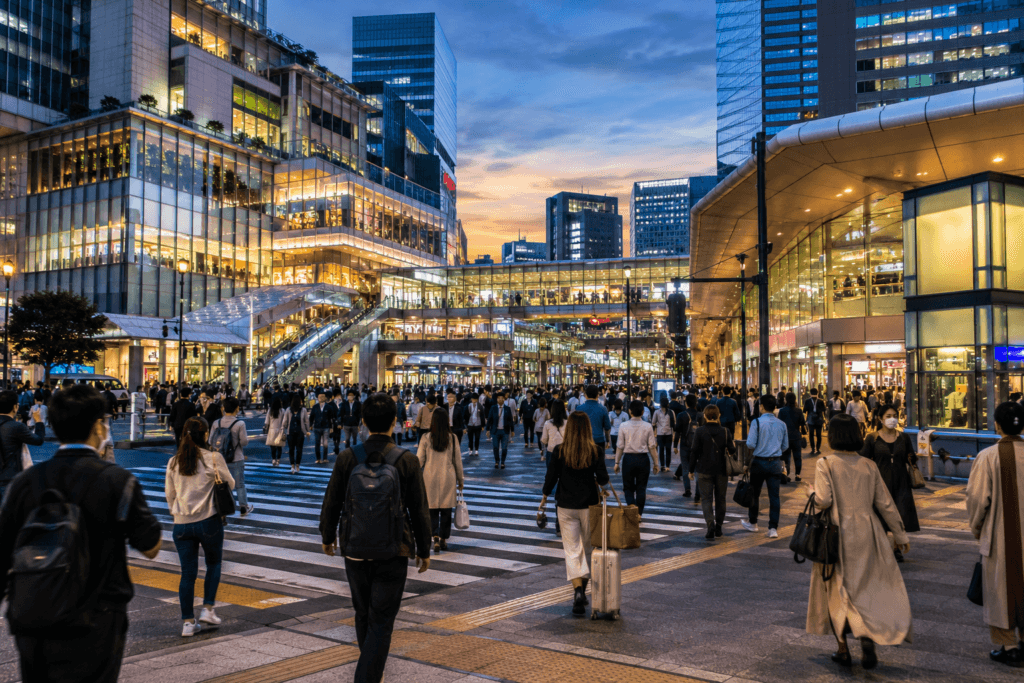
Shinjuku is one of Tokyo’s best shopping areas because it has almost every category in one place.
You can shop for fashion, cosmetics, electronics, gifts, luxury items, home goods, books, travel items, snacks and department-store food without leaving the area around the station.
Isetan Shinjuku is the most polished option for fashion, cosmetics, gifts and food. Takashimaya Times Square works well for department-store shopping, while NEWoMan Shinjuku is useful for modern shopping and dining near the south side of the station.
Electronics stores around the west side are better if you want cameras, gadgets or travel accessories. Around East Shinjuku and Kabukicho, you will find more casual shopping, nightlife-friendly stores and convenient late-evening stops.
Shopping in Shinjuku can be efficient, but it can also become a maze. Decide what kind of shopping you want before entering the station-area tunnels. Otherwise, you may resurface 40 minutes later with socks, pastries and no memory of your original plan.
Nightlife in Shinjuku
Shinjuku is one of Tokyo’s classic nightlife districts.
The nightlife here ranges from casual dinners and neon walks to tiny bars, karaoke, izakaya, entertainment complexes and late-night streets. It can be fun, photogenic and memorable, but it is not all the same type of night.
For a simple first-time nightlife plan, start with dinner around Shinjuku-sanchome or Omoide Yokocho. Then walk through Kabukicho for lights and photos. Continue to Tokyu Kabukicho Tower if you want a modern entertainment stop. If you want tiny bars and atmosphere, finish in Golden Gai.
That gives you a good overview without wandering randomly for hours.
Nightlife tips:
- Avoid street touts
- Check cover charges
- Ask before taking photos in Golden Gai
- Keep your group small for tiny bars
- Know your last train time
- Watch your belongings
- Do not enter places that feel unclear or pushy
If you want the atmosphere without worrying about the rules, a guided route can be useful, especially for Golden Gai or bar-hopping.
Shinjuku at night is exciting, but it rewards travelers who stay awake mentally as well as physically.
How to Get to Shinjuku
Shinjuku is one of Tokyo’s major transport hubs and is easy to reach from most parts of the city.
Shinjuku Station is served by JR lines, Tokyo Metro, Toei Subway, Keio, Odakyu and other connections. Nearby stations such as Seibu-Shinjuku, Shinjuku-sanchome, Shinjuku-nishiguchi and Tochomae can also be useful depending on where you are going.
From Tokyo Station, the JR Chuo Line Rapid is one of the quickest ways to reach Shinjuku. From Shibuya, the JR Yamanote Line connects the two areas easily. From airports, Shinjuku can be reached by train, limousine bus or private transfer depending on your luggage and arrival time.
The real issue is not reaching Shinjuku. It is exiting Shinjuku correctly.
Use your map app until the final steps, and pay attention to east, west, south and specific landmark exits. Shinjuku Station is huge, and “near Shinjuku Station” can mean very different things depending on which side you are on.
Mobile data helps a lot here. If you do not want to wrestle with station Wi-Fi while decoding exits, check Japan eSIM for travelers before your trip.
Suggested Half-Day Shinjuku Route
If this is your first time in Shinjuku, a half-day route works well.
Afternoon to Evening Route
Start at Shinjuku Gyoen National Garden in the afternoon. Walk slowly, enjoy the greenery and let Tokyo become less metallic for a while.
Then head toward West Shinjuku and visit the Tokyo Metropolitan Government Building Observatory. If the timing works, stay for sunset or early evening views.
After that, return toward the station area and have dinner at Omoide Yokocho or around Shinjuku-sanchome.
In the evening, walk through Kabukicho to see the lights, Tokyu Kabukicho Tower and Godzilla Head from street level.
If you want a bar experience, continue to Golden Gai later at night. If you prefer something easier, choose a normal izakaya, karaoke spot or cafe instead.
Simple Route Summary
- Shinjuku Gyoen National Garden
- Tokyo Metropolitan Government Building Observatory
- Omoide Yokocho
- Kabukicho
- Tokyu Kabukicho Tower
- Godzilla Head
- Golden Gai if you want tiny bars
This route gives you Shinjuku’s main contrast: calm garden, free skyline view, food alley and neon nightlife.
For a younger, fashion-heavy Tokyo neighborhood, continue with Shibuya Guide 2026. If Shinjuku is part of your first Japan route, connect it with Japan Itinerary 2026.
Common Mistakes to Avoid in Shinjuku
Treating Shinjuku as One Simple Area
Shinjuku has different sides. West, east, south, Kabukicho and Shinjuku Gyoen all feel different. Plan by zone instead of trying to wander blindly.
Choosing the Wrong Station Exit
This is the classic Shinjuku mistake. Check your exit before leaving the station. A wrong exit can add a long walk, especially if you are meeting someone or carrying luggage.
Visiting Shinjuku Gyoen Too Late
Shinjuku Gyoen is a daytime garden with seasonal opening hours. Do not arrive near closing and expect a relaxed visit.
Expecting the Tokyo Metropolitan Government Observatory to Always Be Open
The observatories can close for inspections, holidays or unexpected reasons. Check the latest schedule before going, especially if it is one of your main plans.
Bringing Large Bags to Tiny Food Alleys
Omoide Yokocho and Golden Gai are compact. Large luggage or huge backpacks make the experience awkward for you and everyone around you.
Following Street Touts in Kabukicho
Kabukicho is worth seeing, but avoid aggressive street approaches. Do not follow strangers into bars or clubs, and check prices clearly before ordering.
Taking Photos in Golden Gai Without Permission
Golden Gai is atmospheric, but it is also a real nightlife area with small businesses and customers who may not want to be photographed. Ask before taking photos.
Overloading the Day
Shinjuku can easily fill half a day or a full evening. Do not try to combine every shop, observatory, garden, food alley and bar in one frantic route. Shinjuku does not like being rushed.
Shinjuku FAQ
Is Shinjuku worth visiting?
Yes. Shinjuku is one of Tokyo’s most useful neighborhoods for first-time visitors because it has free skyline views, shopping, food, nightlife, hotels, transport and Shinjuku Gyoen in one area.
How long should I spend in Shinjuku?
A quick visit can take two to three hours, but a better first-time visit takes half a day. If you include Shinjuku Gyoen, the Tokyo Metropolitan Government Building Observatory, dinner and Kabukicho, plan at least four to six hours.
Is Shinjuku better during the day or at night?
Both are good. Daytime is better for Shinjuku Gyoen, shopping and the observatory. Night is better for Kabukicho, Omoide Yokocho, Golden Gai and neon street atmosphere.
Is the Tokyo Metropolitan Government Building Observatory free?
Yes. The observatories are free to visit, but opening days and hours can vary, so check the latest schedule before going.
Is Shinjuku Gyoen worth visiting?
Yes. Shinjuku Gyoen is one of the best calm green spaces in central Tokyo, especially during cherry blossom season and autumn foliage.
Is Kabukicho safe?
Kabukicho is generally safe to walk around, but it is a nightlife district, so use common sense. Avoid street touts, check prices and do not follow strangers into bars or clubs.
Is Golden Gai tourist-friendly?
Some bars in Golden Gai welcome tourists, while others feel more local. Choose bars that clearly welcome visitors, keep your group small and ask before taking photos.
Where should I eat in Shinjuku?
Omoide Yokocho is great for yakitori and alley atmosphere. Shinjuku-sanchome, Kabukicho, department-store food floors and station-area restaurants are also useful.
Should I stay in Shinjuku?
Shinjuku is a very convenient hotel base if you want transport, nightlife, food and easy access to other Tokyo areas. However, choose your exact hotel location carefully because Shinjuku is large and some parts are much louder than others.
Can I visit Shinjuku and Shibuya on the same day?
Yes. Shinjuku and Shibuya are close by train, and many travelers visit both. A good route is Shibuya in the afternoon and Shinjuku at night, or Shinjuku Gyoen in the afternoon followed by Shibuya or Shinjuku nightlife.
Final Thoughts
Shinjuku is not the calmest Tokyo neighborhood, but it is one of the most useful.
Come for the free skyline views, stay for the food alleys, shopping, gardens and neon streets, and give yourself extra time for station exits. Shinjuku does not like being rushed.
For first-time visitors, the best approach is simple: divide the area by mood. West for skyscrapers and views. East for shopping and food. Kabukicho for neon. Golden Gai and Omoide Yokocho for tiny nightlife spaces. Shinjuku Gyoen for breathing like a normal human again.
Shinjuku can feel overwhelming at first, but that is part of its personality. Give it a few hours, use the right exits, keep your plans flexible and let the neighborhood reveal itself one bright, crowded, slightly confusing layer at a time.