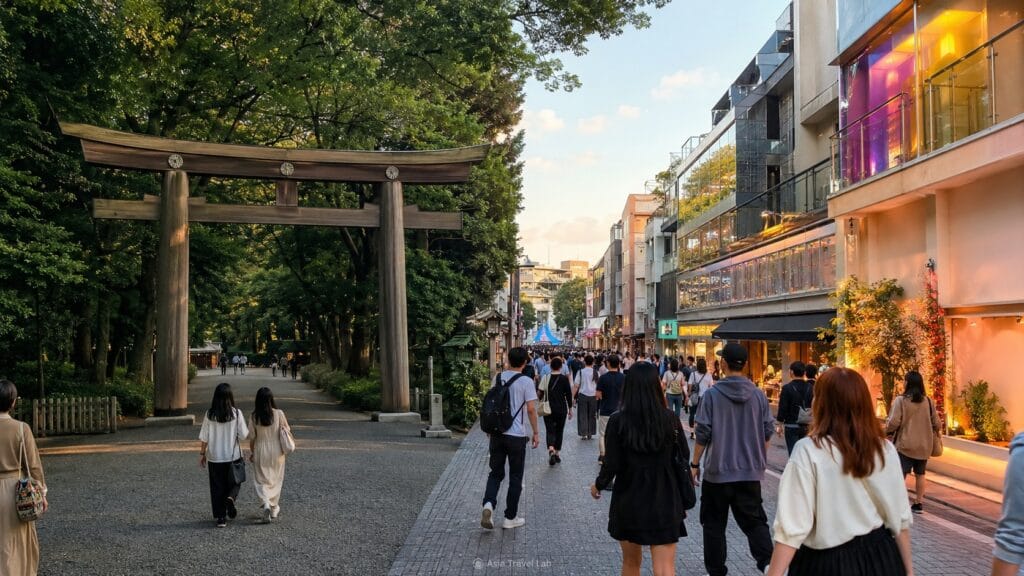
Harajuku can take you from a quiet shrine forest to a crowded crepe shop before your morning coffee has decided whether it is still hot.
That contrast is the real reason to visit.
Many travelers picture Harajuku as one colorful street filled with fashion shops, sweets and teenagers carrying shopping bags. Takeshita Street is certainly part of the experience, but it is only one version of the neighborhood.
Walk a few minutes in another direction and the mood changes completely. Meiji Jingu, commonly known in English as Meiji Shrine, sits behind a wide forest approach. Cat Street connects Harajuku with Shibuya through boutiques and backstreets. Omotesando replaces colorful storefronts with polished architecture, designer shops and tree-lined sidewalks.
This Harajuku guide covers Meiji Shrine, Takeshita Street, purikura photo booths, Laforet Harajuku, Harakado, Cat Street, Omotesando, food, shopping and a practical half-day route for 2026.
For a wider introduction to the city, start with Tokyo Travel Guide 2026.
Some links in this guide may be affiliate links, which means we may earn a small commission if you book through them, at no extra cost to you.
Why Harajuku Is Worth Visiting in 2026
Harajuku is most interesting because it refuses to have one personality.
Near Meiji Shrine, traffic noise fades behind trees and gravel paths. Around Takeshita Street, fashion, snacks, photo booths and small shops compete for attention. Cat Street and Omotesando bring a calmer mix of boutiques, cafes, design and architecture.
This variety makes Harajuku useful even for travelers who are not deeply interested in street fashion. You can come for the shrine, the walking route, the food, the people-watching or the contrast between several versions of Tokyo packed closely together.
The mistake is expecting all of Harajuku to feel like Takeshita Street.
Harajuku Is Really Three Different Experiences
The easiest way to understand Harajuku is to divide it into three broad experiences.
Meiji Shrine and the Forest
This is the calm, spacious side of Harajuku.
Meiji Jingu is surrounded by a large forest and approached through wide gravel paths beneath towering trees. It feels separate from the shopping streets even though the entrance is close to Harajuku Station.
Visit for the atmosphere, shrine etiquette, seasonal scenery and a slower start to the day.
Takeshita Street and Youth Culture
This is the loudest and most recognizable version of Harajuku.
The short pedestrian street is packed with small shops, sweets, accessories, fashion, purikura booths and visitors moving at very different speeds.
It can be fun, crowded and slightly exhausting, sometimes within the same five minutes.
Cat Street and Omotesando
This is the more grown-up continuation of the neighborhood.
Cat Street brings boutiques, vintage-inspired shops, cafes and a calmer walking route toward Shibuya. Omotesando feels more polished, with tree-lined sidewalks, major fashion stores and architecture that often receives almost as much attention as the products inside.
A good Harajuku visit lets these three moods unfold naturally rather than choosing only one.
Visit Meiji Shrine Before the Shopping Crowds
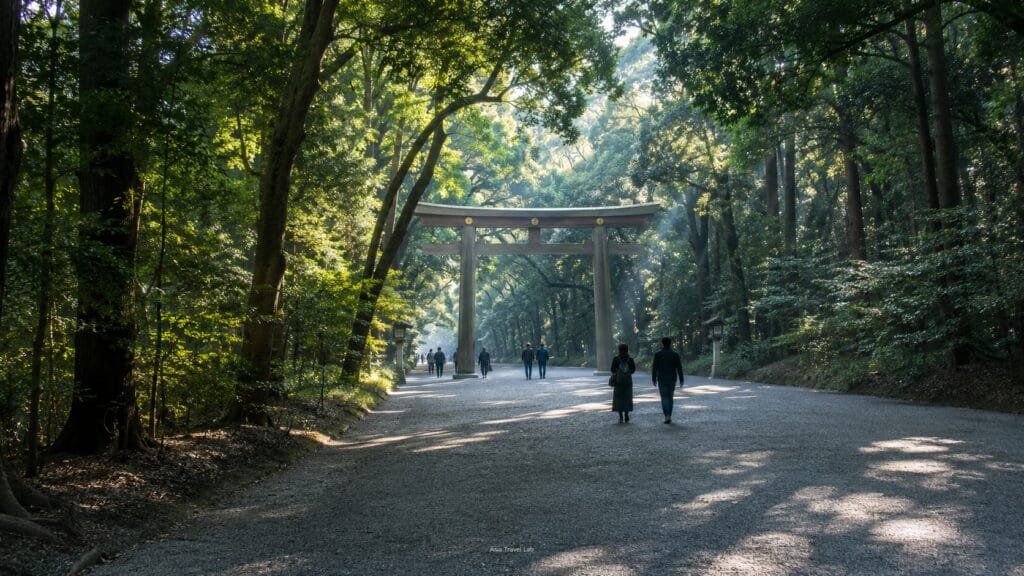
Meiji Shrine is the best place to begin a Harajuku day.
The shrine opens early, while most of the surrounding shops begin later in the morning. Starting here creates a natural route: forest and shrine first, shopping streets afterward.
Entrance to Meiji Jingu itself is free.
Opening and closing times change by month because the shrine generally follows sunrise and sunset. Summer hours are much longer than winter hours, so always check the official monthly schedule rather than assuming the grounds stay open late.
Do not treat Meiji Shrine as a five-minute photo stop beside Harajuku Station.
The entrance may be close to the station, but the forest approach is part of the experience. A straightforward visit usually takes around one hour, especially if you walk to the main shrine area, pause for photos and explore without rushing.
Along the way, you may see large torii gates, sake barrels, seasonal greenery and visitors taking part in normal shrine customs. On some days, you might also see wedding processions or ceremonial activity, though these should be observed respectfully and without blocking the route.
Basic etiquette is simple:
- Walk calmly and keep voices low around the main shrine area.
- Avoid walking through the exact center of a torii gate if possible.
- Follow posted photography rules.
- Do not treat worshippers or ceremonies as staged entertainment.
- Keep food and loud conversation away from sacred areas.
The long gravel approach is another reason to wear comfortable shoes.
Is the Meiji Jingu Museum Worth Visiting?
The Meiji Jingu Museum is a separate paid attraction within the wider shrine area.
It usually operates from 10:00 to 16:30, with last admission at 16:00, and is generally closed on Thursdays. Adult admission is typically ¥1,000.
The museum can be worthwhile if you are interested in history, architecture or a slower cultural visit. The building itself is also part of the appeal.
Travelers with a short Tokyo schedule can comfortably skip it. The free shrine grounds and forest already provide the main experience.
If you prefer more explanation while walking, a Harajuku and Meiji Jingu walking tour can help connect the shrine’s background with the modern neighborhood outside.
Walk Through Takeshita Street
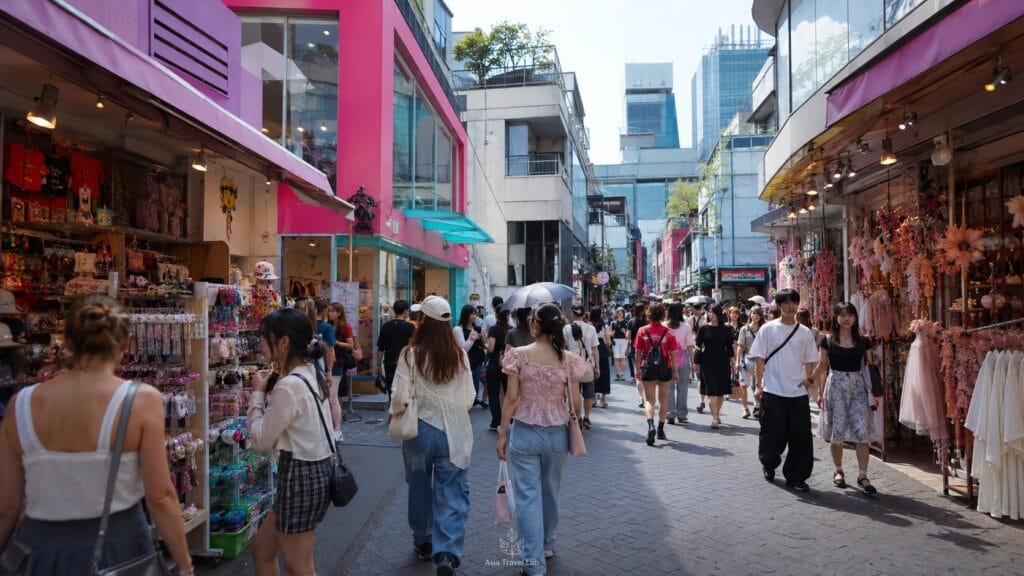
Takeshita Street begins opposite the Takeshita Exit of JR Harajuku Station.
The street is only around 350 meters long, but the actual visit can take much longer than the map suggests. Crowds, snack queues, small stores, photo booths and sudden shopping decisions all slow the walk.
This is the Harajuku of colorful fashion, accessories, sweets, cosmetics, character goods and youth culture.
For a first visit, walking through once is usually enough to understand the atmosphere. Choose the shops and snacks that genuinely interest you rather than treating the street as a complete shopping mission.
Takeshita Street is most enjoyable when you accept that it may be crowded.
If you dislike dense crowds, visit near the beginning of the shopping day. Most stores open later than Meiji Shrine, so a shrine-first route gives you a chance to enter Takeshita Street before the busiest afternoon period.
Weekends, holidays and school vacation periods can be especially busy. Large luggage is a terrible companion here. Leave suitcases at your hotel or use station storage before entering the street.
The street is short enough to walk through quickly, but stopping for one snack, one shop and one small experience usually makes the visit feel more complete.
Try Purikura and Harajuku Street Snacks

Harajuku is a good place to add one or two playful experiences rather than treating the neighborhood as a serious sightseeing mission.
Purikura Photo Booths
Purikura booths are Japanese photo booths that allow you to take, edit and decorate portraits before printing them.
They are popular with friends, couples and families, and they make an easy break from walking and shopping. The editing systems may smooth skin, enlarge eyes or adjust facial features more enthusiastically than expected.
The final photo may look more polished than anyone involved remembers being. That is part of the charm.
Some machines have instructions for international visitors, though the process can still move quickly. Prepare your group before entering, choose a machine with clear instructions and accept that perfect coordination may not survive the countdown.
Crepes and Sweet Snacks
Crepes are strongly associated with Harajuku, especially around Takeshita Street. You will see versions filled with fruit, cream, cake, ice cream and combinations designed for maximum visual impact.
Other common choices include cotton candy, soft-serve ice cream, candied fruit and colorful drinks.
One sweet snack is usually enough before continuing through the shopping streets. Choose what genuinely appeals to you rather than following every queue.
Be considerate when eating. Avoid blocking narrow storefronts and follow any signs asking customers not to walk while eating.
Shop at Laforet Harajuku
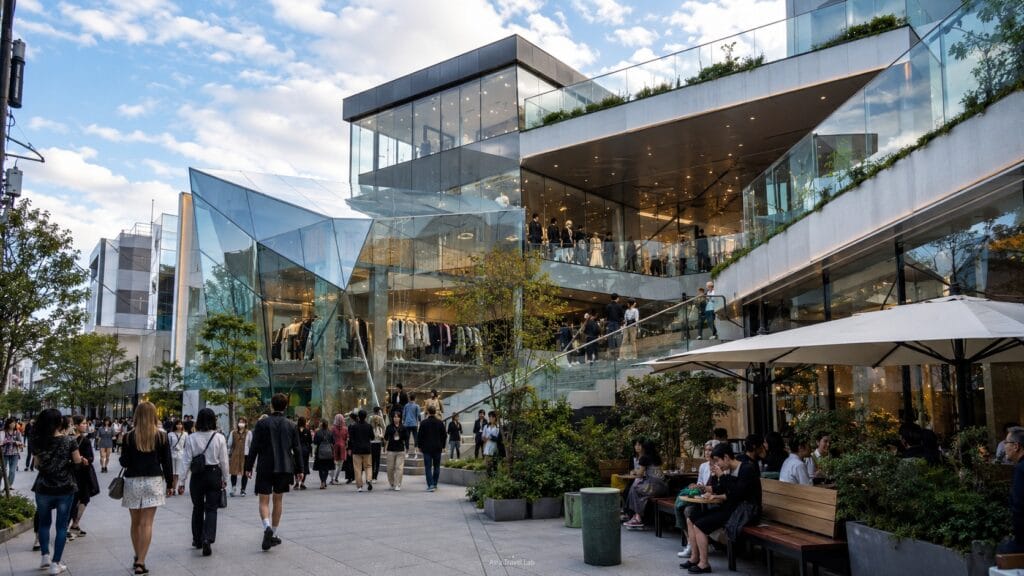
Laforet Harajuku remains one of the most important fashion stops in the neighborhood.
It is close to Meiji-jingumae Station and a short walk from JR Harajuku Station. Current standard opening hours are generally 11:00 to 20:00, although individual shops and event periods can vary.
The compact floors contain fashion, accessories, cosmetics and trend-focused brands, including styles that still feel closely connected to Harajuku’s subculture identity.
Laforet is a better choice than Takeshita Street if your priority is actual fashion shopping rather than souvenirs and snacks.
Browse the floors that match your interests rather than treating the building as a complete shopping mission.
Travelers with no interest in fashion can skip Laforet without regret. Harajuku has enough other experiences, and forced shopping is rarely a sign of a healthy itinerary.
See the Newer Side of Harajuku at Harakado
Harakado is one of the most useful additions to a current Harajuku guide.
Located near the main Jingumae intersection, Tokyu Plaza Harajuku Harakado combines shops, restaurants, creative spaces and indoor areas in a modern building close to both Harajuku and Omotesando.
The lower shopping floors generally operate from around 11:00 to 21:00. Restaurant areas on the upper floors may stay open until around 23:00, although individual businesses have their own schedules.
Harakado gives you a useful indoor break during hot or rainy weather. It also provides food, seating and a comfortable pause between Takeshita Street, Cat Street and Omotesando.
The building is not a historic attraction and does not need to dominate your route. Think of it as a flexible stop rather than a compulsory landmark.
A Public Bath Under Harajuku
One of Harakado’s more unusual facilities is Kosugiyu Harajuku, a public bath located in the basement.
It is generally open from early morning until late evening, often around 07:00 to 23:00, and usually closes on Thursdays. Operating rules and visitor access can change, so check before planning around it.
A public bath in the middle of Harajuku is memorable, but it is more of a curious extra than an essential first-time stop.
Travelers interested in Japanese bathing culture may enjoy it. Everyone else can continue toward Cat Street without feeling that they missed the heart of Harajuku.
Explore Cat Street and the Backstreets
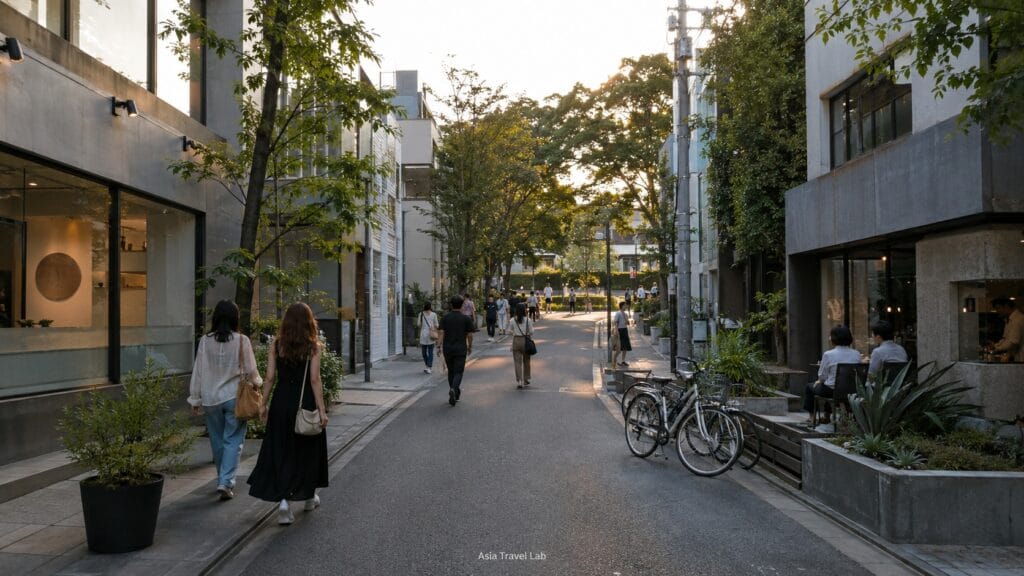
Cat Street is one of the easiest ways to move from Harajuku toward Shibuya.
The street and surrounding lanes feature boutiques, casual fashion, vintage-inspired shops, international brands, cafes and smaller side streets that feel calmer than Takeshita Street.
Despite the name, cats are not managing the district.
The atmosphere is more relaxed and grown-up than the busiest part of Harajuku. This makes Cat Street a good continuation for travelers who found Takeshita Street interesting but slightly too intense.
The pleasure is partly in the walk itself: storefront design, people-watching, small cafes and the gradual transition from Harajuku toward Shibuya.
This is also where the geography of western Tokyo begins to make sense. Harajuku and Shibuya are not isolated sightseeing boxes. They blend together through streets that are easy to explore on foot.
Continue with Shibuya Guide 2026 if you want to extend the walk toward Shibuya Crossing, Miyashita Park or an evening reservation at Shibuya Sky.
Cat Street is best during the daytime and early evening. It is not primarily a late-night district, and individual shops may close earlier than restaurants in central Shibuya.
Finish in Omotesando
Omotesando feels like Harajuku after it changed clothes, lowered its voice and checked the architecture.
The wide avenue is lined with trees, luxury brands, cafes, shopping complexes and buildings designed to attract attention even when you have no intention of buying anything inside.
This is a strong place to finish a Harajuku route because the mood changes gradually rather than suddenly.
Takeshita Street is compact, colorful and crowded. Cat Street is more relaxed and design-focused. Omotesando is polished, spacious and better suited to slower window-shopping or a cafe break.
Architecture fans may enjoy the avenue even without shopping. Fashion-focused travelers can explore major flagship stores, while everyone else can use Omotesando as a comfortable final walk before returning to the train or continuing elsewhere.
Takeshita Street or Omotesando?
Choose Takeshita Street if you want:
- Youth fashion
- Colorful snacks
- Purikura
- Busy street atmosphere
- Small trend-focused shops
Choose Omotesando if you prefer:
- Architecture
- Designer fashion
- Wider sidewalks
- Cafes
- A calmer and more polished atmosphere
Most visitors should see both because they are close and explain each other. Harajuku makes more sense when you notice how quickly the mood changes.
What to Eat in Harajuku
Harajuku is better known for snacks, cafes and trend-driven food than for one traditional local specialty.
The best food area depends on where you are in the route.
Takeshita Street is best for quick sweets and casual snacks.
Cat Street has cafes, burgers, bakeries and relaxed lunch options.
Harakado is useful for indoor dining and an easy break near the main intersection.
Omotesando has more polished cafes, restaurants and dessert spots.
If you continue toward Shibuya, your dinner options expand further.
A practical plan is to choose one snack around Takeshita Street, then save your proper meal for Cat Street, Harakado, Omotesando or Shibuya.
For a comfortable sit-down meal, look slightly beyond the most crowded section of Takeshita Street. A short walk often brings more space, calmer seating and fewer people holding phones directly above their food.
How to Get to Harajuku
Harajuku is easy to reach using JR and Tokyo Metro lines.
JR Harajuku Station sits on the Yamanote Line between Shibuya and Shinjuku. It is one of the most convenient arrival points for Takeshita Street and Meiji Shrine.
Meiji-jingumae Station is served by the Tokyo Metro Chiyoda and Fukutoshin lines. It is useful for Laforet, Harakado, Cat Street and the Omotesando side of Harajuku.
Omote-sando Station is farther along the avenue and is convenient when you want to begin or finish at the more polished end of the neighborhood.
The correct station depends on your route:
- Use JR Harajuku Station for Meiji Shrine and Takeshita Street.
- Use Meiji-jingumae Station for Laforet, Harakado and Cat Street.
- Use Omote-sando Station for architecture, cafes and luxury shopping.
Mobile data is useful when moving through the backstreets or continuing toward Shibuya. Check Japan eSIM for travelers before your trip if you want maps and train information working from arrival.
A tourist information center is also located very close to the Takeshita Exit of Harajuku Station. It can help with maps, local information, Wi-Fi rental and other practical travel problems.
Suggested Half-Day Harajuku Route
The best first-time route begins with Meiji Shrine before the shopping areas become crowded.
Morning to Afternoon Route
Start at JR Harajuku Station and enter Meiji Shrine.
Allow around one hour for the forest approach and main shrine area. Add the museum only if history or architecture is a genuine priority.
Return toward Harajuku Station and enter Takeshita Street. Walk through once, browse a few stores and choose one snack or purikura experience.
Continue toward Laforet Harajuku and Harakado. Use this part of the route for fashion, indoor shopping, lunch or a short rest.
From there, walk along Cat Street and explore the surrounding backstreets.
Finish in Omotesando for architecture, cafes and a calmer final section. Alternatively, continue along Cat Street toward Shibuya and use Shibuya Guide 2026 for the next part of your day.
Simple Route Summary
- Meiji Shrine
- Harajuku Station
- Takeshita Street
- Laforet Harajuku
- Harakado
- Cat Street
- Omotesando or Shibuya
This route works because Meiji Shrine opens earlier than most shops. You use the quiet morning for the shrine and arrive at the shopping areas as they begin opening.
It also avoids bouncing repeatedly between opposite sides of the neighborhood.
For a wider city route, connect this plan with Tokyo Itinerary 2026.
For an evening of food and neon streets, continue with Shinjuku Guide 2026.
For a broader first-time trip across the country, use Japan Itinerary 2026.
Who May Want to Skip Takeshita Street?
Takeshita Street is famous, but it is not compulsory.
You may want to shorten or skip it if:
- You strongly dislike dense crowds.
- Youth fashion and colorful snacks do not interest you.
- You are traveling with large luggage.
- You need a stroller-friendly or calmer route.
- You have already visited similar trend-focused areas.
- You would rather spend more time at Meiji Shrine, Cat Street or Omotesando.
Skipping most of Takeshita Street does not mean skipping Harajuku.
You can still visit Meiji Shrine, Laforet, Harakado, Cat Street and Omotesando. Some adult travelers may prefer that version of the neighborhood.
The best route is not the one that proves you saw every famous street. It is the one that still feels enjoyable after lunch.
Common Mistakes to Avoid in Harajuku
Visiting Meiji Shrine Too Late
The shrine closes according to monthly sunrise and sunset schedules. Winter closing times can be much earlier than summer hours.
Check the official schedule before visiting and go earlier if the shrine is important to you.
Treating Meiji Shrine as a Station-Side Photo Stop
The forest approach takes time. Allow around one hour for a basic visit rather than planning a ten-minute detour.
Entering Takeshita Street with Large Luggage
The street is narrow and crowded. Leave suitcases at your hotel or use luggage storage before visiting.
Spending the Entire Visit on Takeshita Street
Harajuku has more variety than one crowded street. Save time for Meiji Shrine, Cat Street, Harakado or Omotesando.
Assuming Cat Street Is Another Takeshita Street
Cat Street is calmer, more design-focused and easier to walk. It is a different experience, not a second version of the same shopping street.
Trying to Visit Every Shopping Complex
Choose based on your interests. Laforet is stronger for fashion, Harakado is useful for modern shops, food and indoor rest, and Omotesando is better for architecture and major brands.
You do not need all of them.
Blocking Narrow Streets for Photos
Harajuku is visually exciting, but the streets are still working spaces. Step aside before stopping, avoid photographing strangers closely and do not block shop entrances.
Expecting Every Famous Snack to Be Essential
Choose one or two things you genuinely want. A long queue does not automatically improve the flavor.
Harajuku FAQ
Is Harajuku worth visiting?
Yes. Harajuku is worth visiting for the contrast between Meiji Shrine, Takeshita Street, Cat Street and Omotesando. It is especially good for travelers interested in fashion, street culture, cafes, shrine scenery and people-watching.
How long should I spend in Harajuku?
Plan around four to six hours for Meiji Shrine, Takeshita Street, shopping, Cat Street and Omotesando. A quick visit can take two hours, but it will feel more like a highlights check than a neighborhood experience.
Is Meiji Shrine free?
Yes. Entry to the main shrine grounds is free. The Meiji Jingu Museum is a separate paid attraction.
What time should I visit Meiji Shrine?
Morning is ideal. The shrine opens early, the forest is calmer and most Harajuku shops open later. Closing time changes by month, so check the current schedule.
Is Takeshita Street always crowded?
It is often crowded, especially on weekends, holidays and in the afternoon. Visit near the beginning of store opening hours for a slightly easier experience.
What is Harajuku famous for?
Harajuku is famous for youth fashion, street culture, Takeshita Street, crepes, purikura, Meiji Shrine, Cat Street, Omotesando and trend-focused shopping.
Is Harajuku good for adults?
Yes. Adults who are not interested in Takeshita Street can focus on Meiji Shrine, Cat Street, Harakado, architecture, cafes and Omotesando.
Can I visit Harajuku and Shibuya on the same day?
Yes. The neighborhoods are close, and Cat Street creates an easy walking connection between them. Harajuku in the morning or early afternoon followed by Shibuya in the late afternoon and evening is a strong route.
Can I visit Harajuku and Shinjuku on the same day?
Yes. Harajuku is only a short JR Yamanote Line ride from Shinjuku. A good combination is Meiji Shrine and Harajuku during the day, followed by Shinjuku food and nightlife in the evening.
Should I stay in Harajuku?
Harajuku has fewer hotel choices than nearby Shibuya, so compare Tokyo hotels near Harajuku and Shibuya before deciding where to stay.
Staying near Shibuya often gives you a wider hotel selection while keeping Harajuku within walking distance or one short train ride. Compare the broader options in Where to Stay in Tokyo 2026.
Final Thoughts
Harajuku is most interesting when you do not force it to be only one thing.
Start beneath the trees of Meiji Shrine. Walk through the color and crowds of Takeshita Street. Pause at Laforet or Harakado, then let Cat Street and Omotesando slowly change the mood.
Some travelers will love the fashion and snacks. Others will prefer the forest, architecture and backstreets. Both versions are valid.
The neighborhood works because its contrasts sit so close together. One moment you are walking beneath enormous trees. The next, someone is carrying a crepe large enough to require structural planning.
Give Harajuku half a day, choose the stops that actually match your interests and continue toward Shibuya if your feet are still negotiating in good faith.