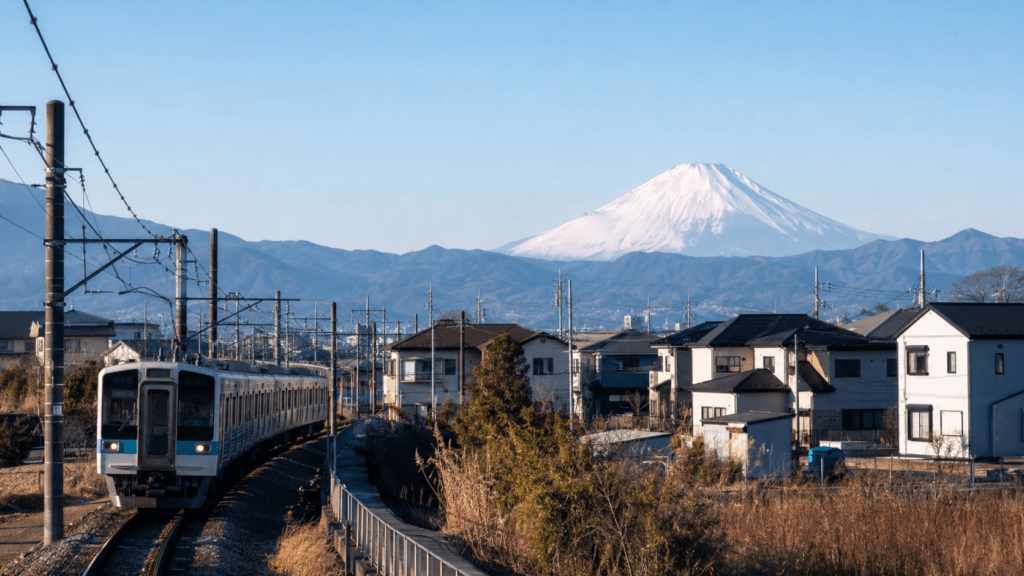
Tokyo can fill an entire week without trying very hard. There is always another neighborhood, observation deck, museum, or bowl of ramen waiting around the corner.
Still, spending every day inside the city means missing some of the best scenery, temples, coastlines, and hot springs within easy reach of the capital.
A Tokyo day trip can take you to Lake Kawaguchiko with Mount Fuji rising beyond the water, above Hakone’s volcanic landscape on a ropeway, or into the cedar forests surrounding Nikko’s historic shrines. Kamakura offers temples with sea air, while Yokohama gives you waterfront views, Chinatown, and one of the easiest evenings outside Tokyo.
The difficult part is not finding somewhere worth visiting. It is choosing just one place when every option looks suspiciously good.
For iconic Mount Fuji views, Lake Kawaguchiko is the strongest choice. Hakone is better for hot springs, museums, mountain transport, and a day that still works when Fuji disappears behind clouds. Nikko offers the richest history, while Kamakura is the easiest mix of temples, traditional streets, and coastline. Yokohama is the relaxed option for travelers who prefer a later start and a harbor night view.
Travelers with only a few days in the capital may prefer to remain in the city, while a longer Tokyo itinerary leaves more room for Kawaguchiko, Hakone, or Nikko.
Quick Comparison of the Best Tokyo Day Trips
| Destination | Travel time from Tokyo | Best for | Ideal departure |
|---|---|---|---|
| Mt. Fuji and Lake Kawaguchiko | About 2 hours | Fuji views and photography | Before 8:00 a.m. |
| Hakone | About 80 to 90 minutes | Hot springs, museums and Lake Ashi | 7:00 to 8:00 a.m. |
| Nikko | About 1.5 to 2 hours | Shrines, history and mountain scenery | Before 8:00 a.m. |
| Kamakura | About 1 hour | Temples, streets and coastline | 8:00 to 9:00 a.m. |
| Yokohama | About 15 to 40 minutes | Food, families and night views | Late morning is fine |
Your departure station also matters. Choosing where to stay in Tokyo can make an early trip to Kawaguchiko, Hakone, or Nikko much easier.
Which Tokyo Day Trip Is Right for You?
Lake Kawaguchiko makes sense when seeing Mount Fuji is the main reason for leaving Tokyo.
Hakone is the better option when you want several different experiences in one day. Even without a clear Fuji view, there are museums, ropeways, boats, volcanic scenery, and hot springs.
Nikko is ideal for travelers interested in historic architecture and religious sites. The shrine complex is far more elaborate than anything you will see on a casual neighborhood walk in Tokyo.
Kamakura is the safest first day trip. It is close, easy to navigate, and flexible enough to change plans halfway through the day.
Yokohama works best when you want something simple. There is no mountain forecast to monitor, no long-distance reserved train to secure, and no need to set an alarm before sunrise.
Mt. Fuji and Lake Kawaguchiko Day Trip
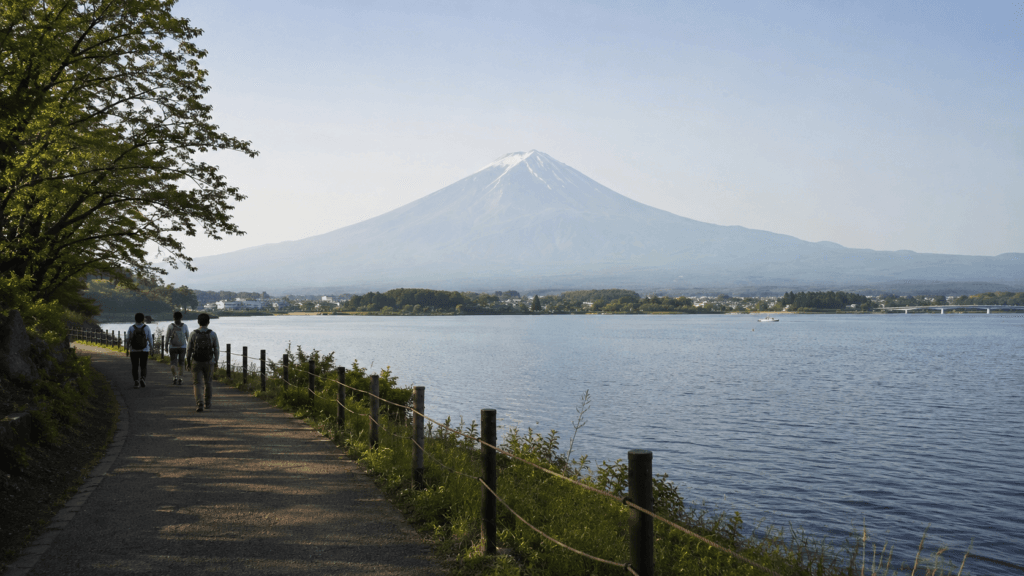
When travelers search for a Mount Fuji day trip, most are not planning to climb the mountain. They usually want the classic Fuji Five Lakes experience, with lake views, seasonal flowers, and a reasonable chance of seeing the mountain from a distance.
Lake Kawaguchiko is the most convenient base for that kind of day.
The main attractions include Oishi Park, the Mount Fuji Panoramic Ropeway, lakeside viewpoints, and Shimoyoshida, the station used for Chureito Pagoda.
This is the most weather-dependent trip on the list. When Mount Fuji is visible, the day can be unforgettable. When it is not, you may spend several hours studying a very attractive cloud.
How to Get from Tokyo to Lake Kawaguchiko
The easiest train is the limited express FUJI EXCURSION from Shinjuku.
The direct journey takes about two hours, and seats should be reserved in advance. Popular departures can sell out during weekends, cherry blossom season, autumn foliage, and Japanese holiday periods.
Highway buses from Shinjuku are another option. They can be convenient when train seats are unavailable, but traffic around Tokyo and the Fuji area can make the arrival time less predictable.
Travelers who want to visit several viewpoints without relying on local buses may find a Mt. Fuji day tour from Tokyo more practical than arranging every connection independently.
A One-Day Lake Kawaguchiko Route
A practical route is:
Shinjuku → Shimoyoshida → Chureito Pagoda → Kawaguchiko → Oishi Park or Panoramic Ropeway → Shinjuku
If Chureito Pagoda is important, stop at Shimoyoshida before continuing to Kawaguchiko.
Once you reach the lake, choose either Oishi Park or the ropeway unless you are traveling in a quiet season with plenty of time. The area looks compact on a map, but buses, queues, and photography stops quietly nibble at the schedule.
Oishi Park is the easier choice for open lake views. The ropeway offers a higher viewpoint but can develop long lines.
What If Mount Fuji Is Hidden?
Check the weather forecast and live cameras before leaving Tokyo, preferably early in the morning.
A clear forecast in Tokyo does not guarantee visibility around the mountain. Clouds can gather quickly, especially later in the day.
Winter often provides clearer conditions, while summer brings more haze and humidity. The experience changes considerably by season, so compare your plans with the best time to visit Japan before fixing the date.
If the forecast looks poor and your tickets are flexible, Hakone or Kamakura may provide a more dependable day.
Lake Kawaguchiko is best for photographers, couples, and first-time visitors who are comfortable allowing the weather to decide part of the experience.
Hakone Day Trip
Hakone is often grouped together with Mount Fuji, but the two trips feel very different.
A Kawaguchiko day is built around seeing the mountain. A Hakone day is built around moving through the landscape.
The classic route may include mountain railways, a cable car, the Hakone Ropeway, Owakudani, Lake Ashi, a sightseeing cruise, Hakone Shrine, and an onsen.
Mount Fuji may appear from Lake Ashi or the higher viewpoints, but the trip does not fall apart when it stays hidden.
Getting from Tokyo to Hakone
The most comfortable route starts at Shinjuku on the Odakyu Romancecar, which runs directly to Hakone-Yumoto.
The Hakone Freepass covers the regular round trip and designated local transport, including trains, buses, cable cars, the ropeway, and the Lake Ashi cruise.
The Romancecar requires a separate reserved-seat surcharge. It is not included in the basic pass price.
The pass can still provide good value for a day trip when you complete much of the classic Hakone loop, but it is worth checking your planned route before buying it.
A pass is not automatically a bargain simply because the word “pass” appears in a confident font.
How to Make the Hakone Loop Work in One Day
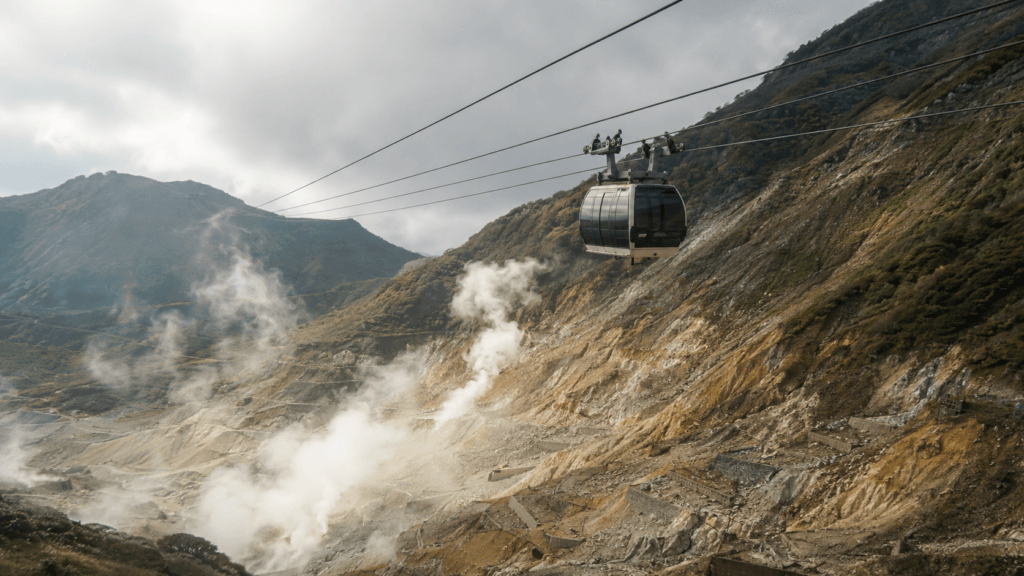
A practical route is:
Shinjuku → Hakone-Yumoto → Gora → Owakudani → Lake Ashi → Hakone Shrine or Moto-Hakone → Odawara → Tokyo
You can also complete the route in reverse, depending on service conditions and crowd levels.
Owakudani offers volcanic scenery and possible Fuji views. Lake Ashi provides the boat journey seen in many Hakone photographs, while Hakone Shrine is known for its lakeside torii gate.
Trying to include the Open-Air Museum, a long onsen visit, Owakudani, the cruise, Hakone Shrine, and a relaxed lunch is ambitious.
Pick three main experiences and let the transport become part of the day. Hakone is spread across mountains, not arranged around one convenient plaza.
Is an Onsen Possible on a Day Trip?
Yes, especially around Hakone-Yumoto.
A short day-use bath can fit into the itinerary, but it works best when planned from the beginning. Adding it during the final 30 minutes before your train usually produces more clock-watching than relaxation.
Travelers mainly interested in a ryokan meal and a long hot spring stay will get more from spending one night in Hakone.
Hakone suits couples, art lovers, families with older children, and travelers who prefer variety over one famous view. Check the official transport status on the morning of your trip, since strong wind or maintenance can affect the ropeway and cruise.
Nikko Day Trip
Nikko offers the biggest contrast with central Tokyo.
The area combines richly decorated shrines, cedar forests, mountains, waterfalls, and hot spring districts. It is possible to visit in one day, but you first need to decide between central Nikko and Oku-Nikko.
Trying to see both properly often creates a day filled with buses and very little standing still.
Central Nikko or Oku-Nikko?
Central Nikko contains the main World Heritage shrine and temple area:
- Toshogu Shrine
- Rinnoji Temple
- Futarasan Shrine
- Shinkyo Bridge
- Taiyuin
- Kanmangafuchi Abyss
Oku-Nikko lies farther into the mountains and includes Lake Chuzenji, Kegon Falls, Senjogahara, Ryuzu Falls, and Yumoto Onsen.
For a first day trip, central Nikko is usually the stronger choice. Travelers who care more about waterfalls and mountain scenery than shrine interiors may prefer Oku-Nikko.
Getting from Tokyo to Nikko
Tobu Railway services from Asakusa are convenient for many visitors.
Limited express trains reduce travel time, but the limited express seat fee is usually separate from the main Nikko discount passes.
The NIKKO PASS World Heritage Area is suited to the central shrine district. The All Area version extends farther into Oku-Nikko and makes more sense for Lake Chuzenji, Yumoto Onsen, or an overnight stay.
The Akechidaira Ropeway is closed for major renewal work during 2026. Older itineraries that include the viewpoint should be adjusted.
Lake Chuzenji and Kegon Falls remain accessible by bus, but the ropeway observation deck is unavailable during the closure.
A Practical Central Nikko Route
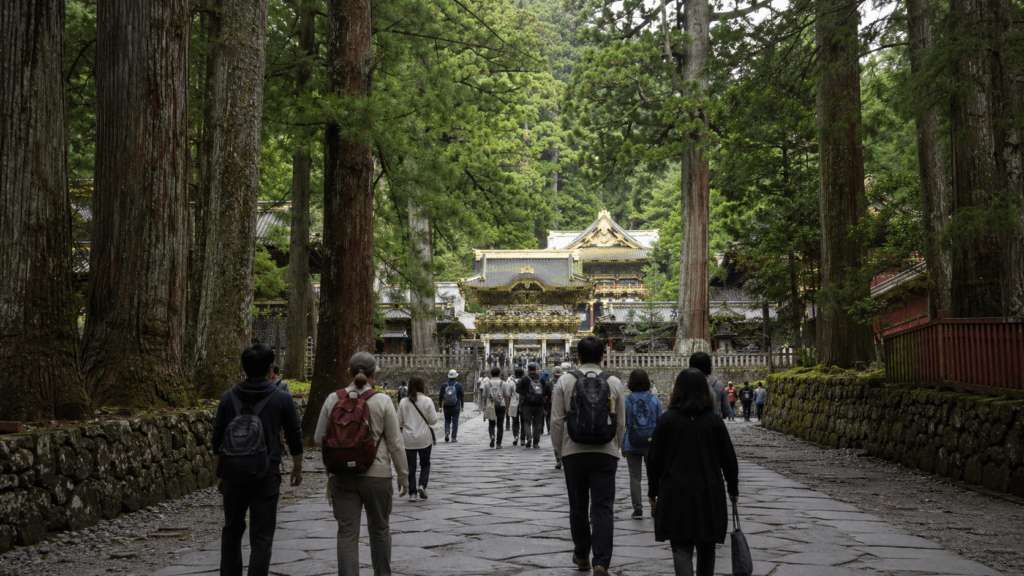
A manageable itinerary is:
Asakusa → Tobu-Nikko → Shinkyo Bridge → Rinnoji → Toshogu → Futarasan Shrine → Kanmangafuchi → Tokyo
Toshogu deserves more than a quick photograph at the entrance. The gates, carvings, stairways, and forest setting are the main reason many travelers make the journey.
Kanmangafuchi can be added when daylight and energy allow. The riverside path and rows of stone Jizo statues provide a quieter ending after the decorated shrine complex.
Adding Lake Chuzenji and Kegon Falls is possible with an early start, but at least one central attraction should be removed.
A Nikko day tour from Tokyo may be useful for travelers who want to combine the shrine area with Kegon Falls without managing several bus connections.
Nikko is especially rewarding for history enthusiasts, photographers, and autumn travelers. It is less forgiving for late starters, and mountain traffic can become heavy during peak foliage season.
Kamakura and Enoshima Day Trip
Kamakura is one of the easiest and most balanced day trips from Tokyo.
It was once Japan’s political capital and is now known for temples, shrines, the Great Buddha, shopping streets, hiking paths, and beaches.
The city feels historic without requiring the long travel time or strict planning of Nikko.
Getting from Tokyo to Kamakura
Direct JR trains connect central Tokyo with Kamakura in about one hour.
Once there, the Enoden railway links Kamakura Station with Hase, coastal neighborhoods, Enoshima, and Fujisawa.
The Enoden one-day pass can be useful when you plan to ride the line several times. Travelers starting from Shinjuku may also find the Enoshima-Kamakura Freepass convenient.
Kamakura in One Day
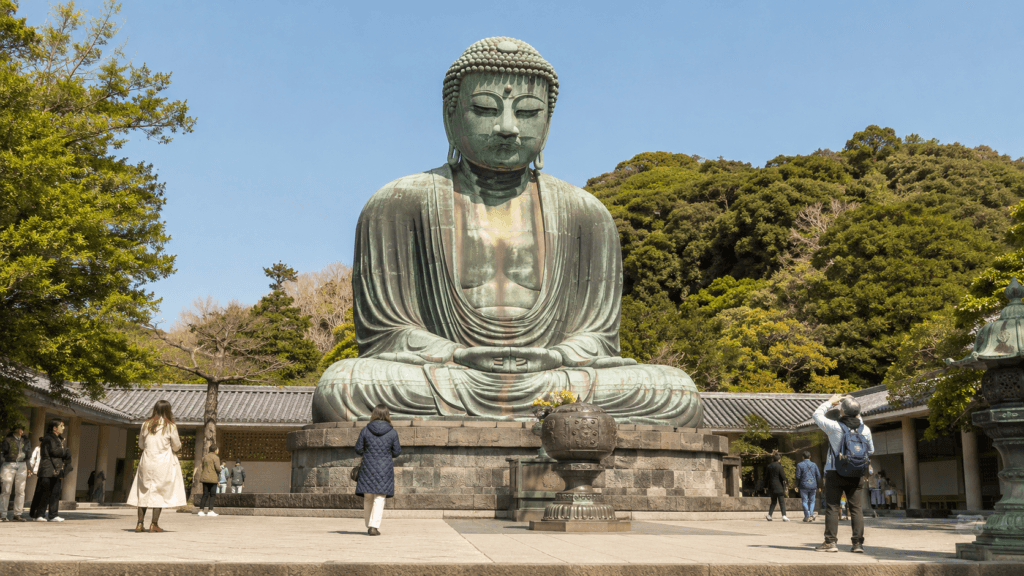
A classic route is:
Tokyo → Kamakura Station → Tsurugaoka Hachimangu → Komachi Street → Hase Temple → Great Buddha → Beach or Enoshima → Tokyo
Start around Kamakura Station with Tsurugaoka Hachimangu and Komachi Street. Then take the Enoden to Hase for Hase-dera and the Great Buddha.
From Hase, either walk toward the beach or continue to Enoshima.
Kamakura and Enoshima can fit into one day, but only when the number of temples is limited. Spending an hour at every temple and still expecting an Enoshima sunset requires airport-control-level scheduling.
Should You Add Enoshima?
Add Enoshima when sea views, sunset, island walks, or coastal cafes matter more than seeing another temple.
Skip it when you want a slower visit to Hase-dera, the Great Buddha, Tsurugaoka Hachimangu, or the quieter temples around Kita-Kamakura.
Weekends can be busy throughout the year. Cherry blossom season, June hydrangeas, summer beach days, and autumn weekends bring the largest crowds.
The Enoden is charming, compact, and occasionally expected to carry far more people than its cheerful appearance suggests.
Arriving early makes both the temples and local trains easier to enjoy.
Yokohama Day Trip
Yokohama is the easiest destination on this list and the only one that works equally well as a half-day trip.
It is a major port city with its own atmosphere, even though trains from Shibuya, Shinagawa, and Tokyo Station reach it quickly.
Popular areas include Minato Mirai, Yokohama Chinatown, Yamashita Park, the Red Brick Warehouse, the Cup Noodles Museum, and the waterfront around Osanbashi Pier.
Why Yokohama Is the Easiest Option
Yokohama requires very little advance planning.
There is no mountain weather to monitor, no long-distance reserved train to book, and no need to leave Tokyo before breakfast.
You can arrive around lunchtime, eat in Chinatown, walk along the waterfront, and stay until the harbor lights come on.
It is also the safest option during uncertain weather. Museums, shopping centers, restaurants, and indoor attractions provide backup plans when rain arrives.
An Easy Afternoon-to-Evening Yokohama Plan
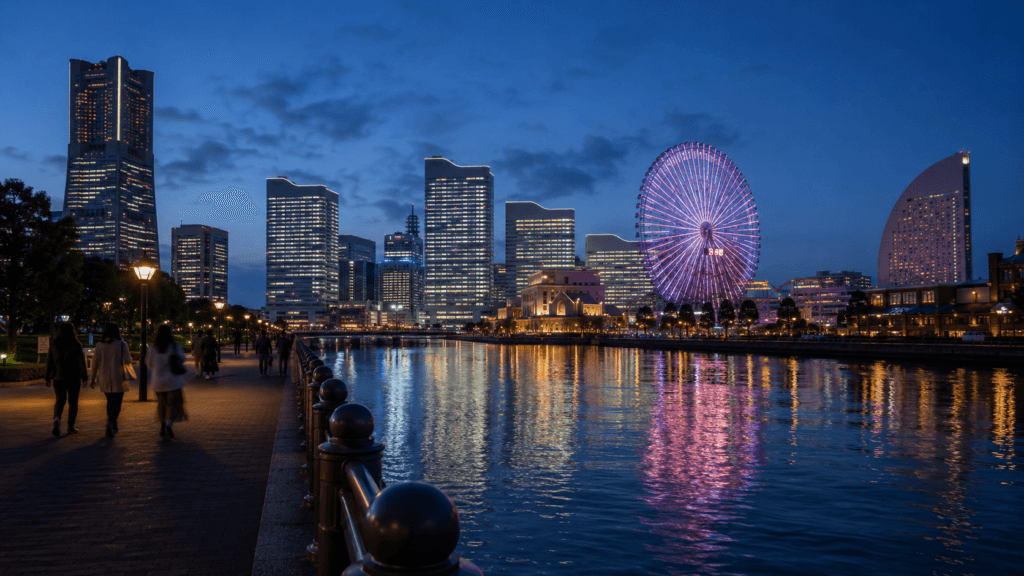
A practical route is:
Tokyo → Yokohama Chinatown → Yamashita Park → Red Brick Warehouse → Minato Mirai → waterfront night view → Tokyo
Starting in Chinatown works well for lunch. From there, walk through Yamashita Park toward the Red Brick Warehouse and Minato Mirai.
The Sea Bass water bus connects several waterfront areas and turns local transport into a short harbor cruise.
Finish around Minato Mirai after sunset. The illuminated skyline, Ferris wheel, and waterfront paths make Yokohama one of the few day trips where returning late improves the experience.
Yokohama is especially good for families, food-focused travelers, rainy days, and visitors who have already filled their Tokyo schedule with temples and traditional neighborhoods.
Mt. Fuji or Hakone?
These destinations are often treated as interchangeable because both may offer Mount Fuji views. In reality, they suit different travelers.
| Lake Kawaguchiko | Hakone |
|---|---|
| Best for direct Fuji views | Best for variety |
| Focused on photography and lakes | Focused on hot springs, museums and transport |
| More dependent on clear weather | Still enjoyable on cloudy days |
| Simpler main objective | More complex route |
| Better for an iconic Fuji photograph | Better for a mountain resort experience |
If Mount Fuji is the whole point of the day, Kawaguchiko is the stronger option.
Hakone makes more sense when you want several attractions and are happy to treat Fuji as a bonus.
Trying to visit both independently in one day usually creates too much travel and too little time.
Kamakura or Nikko?
| Kamakura | Nikko |
|---|---|
| About one hour from Tokyo | About 1.5 to 2 hours from Tokyo |
| Easy and flexible | Requires more planning |
| Temples, streets and coastline | Grand shrines, forests and waterfalls |
| Works with a relaxed start | Early departure recommended |
| Easy to combine with Enoshima | Central Nikko and Oku-Nikko compete for time |
Kamakura is the easier first day trip.
Nikko is more dramatic and historically significant, but the longer journey and local transport make the day less flexible.
Pick Kamakura for a relaxed cultural day. Nikko is better when the World Heritage shrines or mountain scenery are important enough to justify the extra effort.
Best Tokyo Day Trip by Season
Spring
Kamakura is excellent for temples, flowers, and coastal walking. Lake Kawaguchiko becomes especially popular when cherry blossoms frame Mount Fuji.
Expect heavy crowds around weekends and Golden Week.
Summer
Hakone’s higher elevations and mountain transport provide a change from central Tokyo, although the region can still be humid.
Yokohama is practical because indoor attractions and waterfront evening walks reduce the amount of time spent in the midday heat.
Autumn
Nikko is one of the best options for fall colors, but mountain roads and buses become crowded.
Hakone and Kawaguchiko are also beautiful during autumn. Advance transport reservations become more important.
Winter
Lake Kawaguchiko often offers clearer views of snow-covered Mount Fuji.
Hakone combines winter scenery with hot springs, while Yokohama works well for illuminations and an easier city day.
Tokyo Day Trip Transport Passes
A transport pass is useful only when it matches the route you actually plan to take.
The Hakone Freepass works well for travelers completing much of the Hakone loop.
The NIKKO PASS World Heritage Area suits central Nikko, while the All Area version is better for Lake Chuzenji and Oku-Nikko.
The Enoden one-day pass is useful when reaching Kamakura by JR and riding the Enoden several times. The Enoshima-Kamakura Freepass may offer better value for travelers starting from Shinjuku.
The JR TOKYO Wide Pass can be worthwhile when several longer trips are grouped into the same three-day period. It is rarely the best choice for one simple outing.
Calculate the regular ticket prices before buying any pass, and check whether limited express seat fees are included.
Common Mistakes When Planning Tokyo Day Trips
Trying to Combine Mt. Fuji and Hakone
The regions look close on a map, but public transportation between them takes time.
Choose one unless you are using a private vehicle or an organized tour designed for both areas.
Leaving Tokyo Too Late
Kawaguchiko, Hakone, and Nikko reward early departures.
A late start reduces sightseeing time and makes the final return connection more stressful.
Planning Too Many Attractions
Five famous places do not always create a better day than three well-chosen ones.
Queues, meals, walking, buses, and photography take longer than online maps suggest.
Forgetting to Reserve Limited Express Trains
FUJI EXCURSION and other popular limited express services can sell out during weekends and holiday seasons.
Reserve important journeys as soon as your travel date is fixed.
Depending Entirely on a Mount Fuji View
The mountain may remain hidden even when the Tokyo weather looks clear.
Enjoy the lake and surrounding landscape rather than building the entire day around one photograph.
Buying a Pass Without Checking the Details
Some passes exclude limited express surcharges, attraction admission, or sections operated by another railway company.
Check the coverage before reaching the ticket gate.
Ignoring Weekend Crowds
Kamakura’s Enoden, Nikko’s buses, Hakone’s ropeway, and Kawaguchiko’s sightseeing buses all become crowded.
Weekday travel and early arrivals make a noticeable difference.
Returning on the Last Possible Connection
Weather, congestion, and missed buses can delay the return.
Leave enough time before dinner reservations, airport transfers, or long-distance trains.
FAQ
What Is the Best Tokyo Day Trip for First-Time Visitors?
Kamakura is the easiest all-around option because it combines temples, traditional streets, coastline, and straightforward train access.
Lake Kawaguchiko may be the better choice when seeing Mount Fuji is a major priority.
Is Mt. Fuji or Hakone Better for a Day Trip?
Lake Kawaguchiko is better for direct Mount Fuji views and photography.
Hakone is better for travelers who want hot springs, museums, volcanic scenery, ropeways, and Lake Ashi.
Can You Visit Nikko in One Day?
Yes, especially when focusing on the central World Heritage area.
Trying to combine all the main shrines with Lake Chuzenji and Kegon Falls creates a rushed schedule. An overnight stay is better for seeing both areas properly.
Can You Visit Kamakura and Enoshima in One Day?
Yes.
Limit Kamakura to major sites such as Tsurugaoka Hachimangu, Hase-dera, and the Great Buddha, then continue to Enoshima in the afternoon.
Which Tokyo Day Trip Is Best for Families?
Yokohama is the easiest choice because the travel time is short and there are many restaurants and indoor attractions.
Hakone also works well for families who enjoy trains, cable cars, ropeways, and boats.
Which Day Trip Is Best on a Rainy Day?
Yokohama is the safest option because museums, shopping centers, restaurants, and indoor attractions are concentrated around the waterfront.
Hakone can still work in light rain, but strong wind or severe weather may affect mountain transport.
Final Thoughts
The best Tokyo day trip depends on the kind of day you want outside the capital.
Lake Kawaguchiko is the strongest choice for iconic Mount Fuji scenery. Hakone offers a fuller mix of mountain transport, museums, hot springs, and possible Fuji views. Nikko provides the richest historic experience, while Kamakura is the easiest combination of temples and coastline.
Yokohama is the relaxed option. It asks for no early alarm and very little negotiation with rural bus schedules.
Whichever destination you choose, resist the urge to collect every attraction in one day. Leave enough time to walk slowly, stop for lunch, and enjoy the place after the camera goes back into your bag.
A day trip also fits naturally into a longer Japan itinerary, especially when Tokyo is the first or final base of the journey.