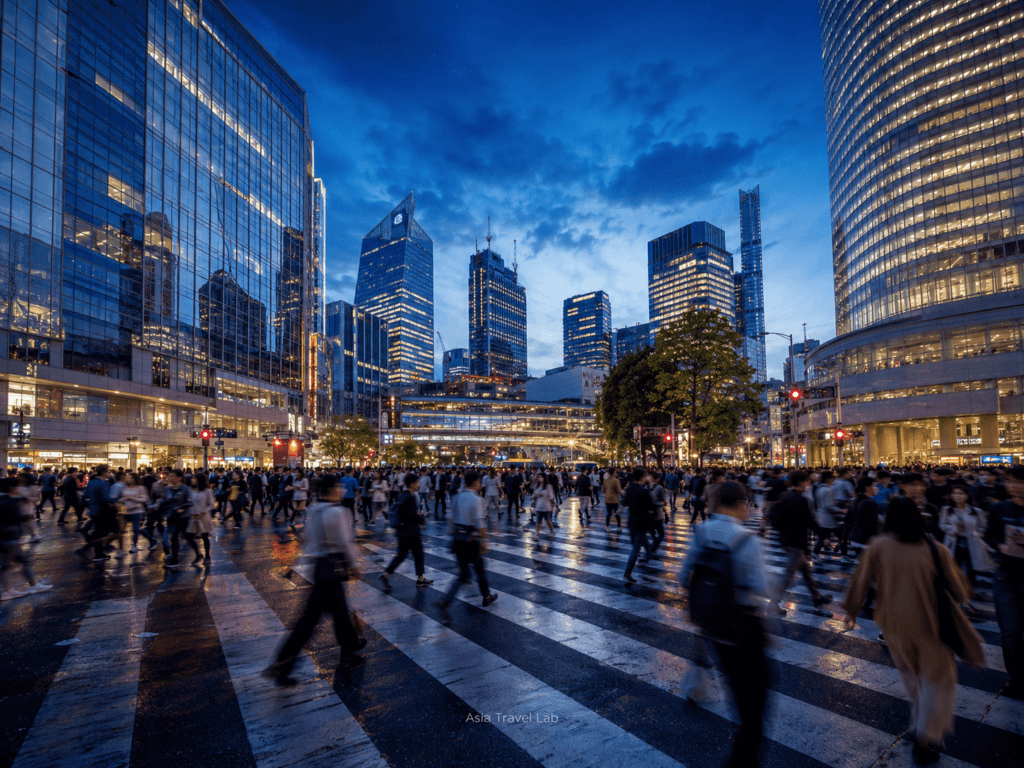
Tokyo is one of those cities that feels perfectly organized until you stand inside a major train station and realize there are 27 exits, three underground malls, two department stores, and one tiny sign pointing somewhere suspiciously vague.
That is part of the fun.
For first-time visitors, Tokyo is one of the best cities in Asia because it gives you a little bit of everything: temples, neon streets, skyline views, sushi counters, anime shops, quiet gardens, luxury shopping, tiny ramen restaurants, convenience-store snacks, and trains that somehow make a giant city feel possible.
The best way to enjoy Tokyo is not to rush across the city collecting famous places like travel stickers. It is to group neighborhoods wisely, leave room for food breaks, and accept that Tokyo will always have more to show you than your schedule can politely handle.
If you are planning a wider Japan trip, this guide works well with Japan Itinerary 2026, Tokyo Itinerary 2026, Kyoto Itinerary 2026, and Osaka Itinerary 2026.
Why Visit Tokyo in 2026?
Tokyo is not just one travel experience. It is several different cities wearing the same name tag.
In the morning, you can visit Senso-ji Temple in Asakusa and walk through old shopping streets filled with snacks and souvenirs. In the afternoon, you can cross through Harajuku, Omotesando, or Shibuya, where fashion, cafes, shopping, and pop culture all compete for your attention. At night, you can eat yakitori in Shinjuku, watch the skyline from Shibuya Sky, or wander through glowing streets that make your camera feel underqualified.
Tokyo is especially good for first-time visitors because it is convenient, safe, clean, and well connected by public transport. The city is huge, but once you understand the basic train system and choose your hotel location carefully, it becomes much easier to explore.
Tokyo is a great choice if you want:
- A first Japan trip with famous sights and easy transport
- A mix of traditional culture, modern city life, food, shopping, and pop culture
- Excellent restaurants without needing a luxury budget every day
- A strong starting point before visiting Kyoto, Osaka, or other parts of Japan
- A city that works in every season, from cherry blossoms to winter illuminations
The main challenge is not whether Tokyo is worth visiting. It is deciding what to leave out.
Best Things to Do in Tokyo for First-Time Visitors
Start in Shibuya
Shibuya is the Tokyo many travelers picture before they arrive: giant screens, busy crossings, glowing buildings, fashion stores, cafes, and crowds that move with strange city choreography.
The most famous stop is Shibuya Scramble Crossing. It only takes a few minutes to experience, but it is one of those moments that instantly says, yes, this is Tokyo.
After crossing, give yourself time to explore the surrounding streets. Shibuya is full of shops, restaurants, record stores, dessert cafes, department stores, and small side streets that are more interesting than they first appear. It is also one of the easiest places to start your Tokyo trip because the energy is immediate.
For city views, Shibuya Sky is one of Tokyo’s most popular observation decks. It sits above Shibuya Scramble Square and gives wide views over the skyline. Sunset tickets are especially popular, so booking ahead is a good idea if you want that golden-hour city view. You can also check Shibuya Sky tickets before choosing your time slot.
Morning and daytime visits can feel calmer, and they are often easier if you want clear photos without fighting the sunset crowd.
Shibuya works best for first-time Tokyo atmosphere, shopping, cafes, night photos, and skyline views.
Explore Shinjuku After Dark
Shinjuku is big, bright, busy, and extremely useful. It is one of Tokyo’s major transport hubs, which makes it convenient for travelers, but it can also feel overwhelming on the first day.
During the day, Shinjuku Gyoen National Garden is a good place to slow down. It is especially beautiful during cherry blossom season and autumn, but it works year-round when you need a quiet break from Tokyo’s louder side.
At night, Shinjuku changes mood. Kabukicho brings the neon and entertainment district atmosphere, while Omoide Yokocho offers narrow food alleys with small restaurants and yakitori spots. Golden Gai is known for tiny bars packed into narrow lanes, though it is better for travelers who enjoy nightlife and small bar culture.
Shinjuku is one of the best areas to stay if you want transport convenience, food, nightlife, and easy access to many parts of Tokyo. The only warning is Shinjuku Station itself. It is not just a station. It is a small underground country with escalators.
Give yourself extra time when meeting someone or finding a specific exit here. Confidence is useful, but a map app is better.
Visit Asakusa and Senso-ji Temple
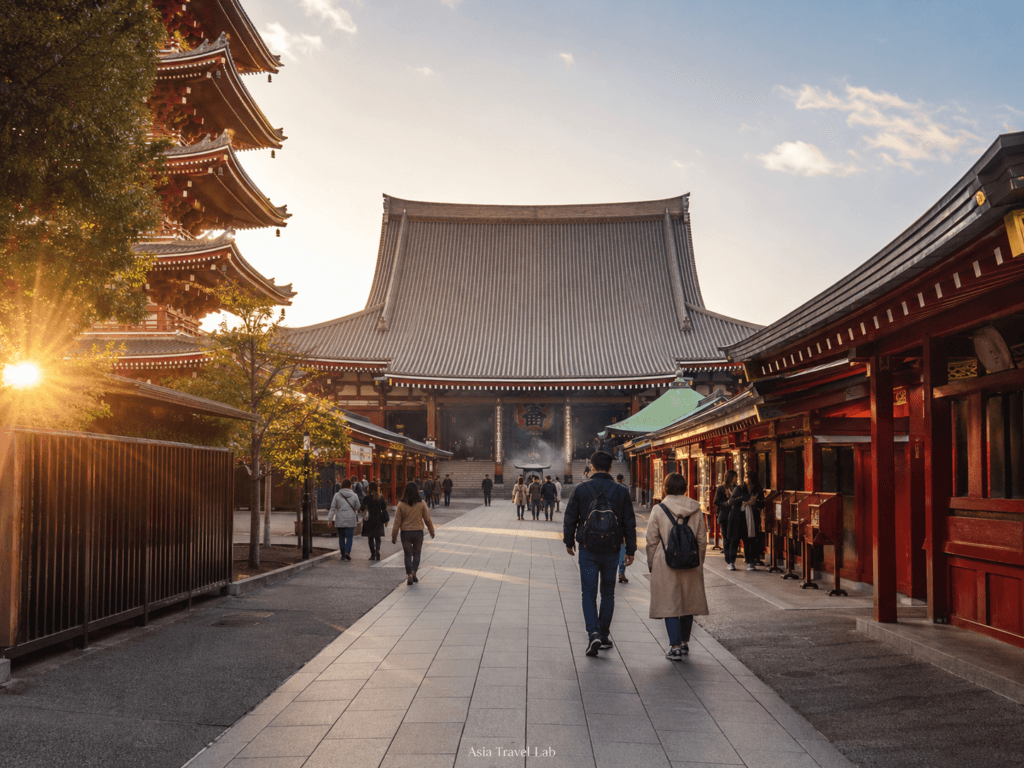
Asakusa is one of the best places to see Tokyo’s traditional side without leaving the city center. The main attraction is Senso-ji Temple, one of Tokyo’s most famous and beloved temples.
The approach to the temple runs through Nakamise Street, a lively shopping street filled with snacks, souvenirs, sweets, and small gifts. It is popular with tourists, but it still has that classic first-time Tokyo charm. You can try traditional snacks, buy simple souvenirs, and enjoy the atmosphere before reaching the temple grounds.
Asakusa is especially good in the morning if you want a quieter experience. The temple area feels calmer before the big crowds arrive, and the streets are easier to photograph. Later in the day, more shops are open and the area feels livelier.
Asakusa also pairs very well with Tokyo Skytree. You can visit Senso-ji, walk around the old streets, then continue toward the Sumida River and Skytree area. If you want to visit the observation deck, check Tokyo Skytree tickets in advance, especially during weekends, holidays, or sunset hours.
For first-time visitors, Asakusa is one of the easiest Tokyo neighborhoods to understand: temple, snacks, souvenirs, old streets, and a skyline view nearby. Simple, satisfying, and unlikely to make your itinerary cry.
Walk Through Harajuku and Omotesando
Harajuku and Omotesando sit next to each other, but they feel very different.
Harajuku is playful, colorful, and crowded, especially around Takeshita Street. You will find fashion shops, character goods, sweets, crepes, accessories, and youth culture packed into a small area. It can be busy, but it is fun if you go in with the right expectations.
Omotesando is more polished. The streets are wider, the architecture is more stylish, and the atmosphere feels calmer. This area is better for boutiques, cafes, design shops, and a slower city walk.
A good route is to start at Meiji Shrine, then walk toward Harajuku and Omotesando. Meiji Shrine gives you a peaceful forested start before the city gets louder again. It is one of the nicest contrasts in Tokyo: quiet shrine paths first, crepe shops and fashion crowds later.
This area is great for travelers who like fashion, cafes, character shops, people-watching, and urban walks.
See Ginza and Tokyo Station
Ginza is Tokyo’s polished shopping district. It is known for department stores, luxury brands, elegant streets, restaurants, cafes, and food halls. Even if you are not planning to buy anything expensive, Ginza is still worth visiting for the atmosphere.
One of the best things to do here is visit a department-store food hall, often called depachika. These basement food floors are filled with bento, sushi, sweets, bakery items, fruit, deli foods, and beautifully packaged gifts. They are dangerous in the best way. You may enter for “just a look” and leave with dessert, tea, and something tiny in a fancy box.
Nearby Tokyo Station and Marunouchi are also useful areas for travelers. The red-brick Tokyo Station building is photogenic, and the underground areas around the station are packed with shops and restaurants. Tokyo Station is also important if you plan to take the Shinkansen to Kyoto, Osaka, or other cities.
If you are building a wider Japan route, this section can naturally connect to Tokyo to Kyoto and Osaka by Shinkansen 2026.
Visit Ueno for Parks, Museums and Casual Food
Ueno is practical, relaxed, and often better value than Tokyo’s flashier neighborhoods. It has Ueno Park, museums, market streets, casual food, and good train connections.
Ueno Park is one of Tokyo’s best-known green spaces. It is especially popular during cherry blossom season, but it is pleasant in other seasons too. Nearby museums make the area useful on rainy days or slower travel days.
Ameyoko, the market street near Ueno Station, is a good place for snacks, casual meals, small shops, and a livelier local atmosphere. It is not as polished as Ginza or as stylish as Omotesando, but that is exactly why many travelers enjoy it.
Ueno can also be a smart place to stay, especially if you arrive through Narita Airport and use the Keisei Skyliner to Ueno or Nippori.
Go to Akihabara for Anime, Games and Electronics
Akihabara is Tokyo’s pop-culture district, famous for anime, manga, gaming, electronics, figure shops, arcades, and themed cafes.
Even if you are not a serious anime or gaming fan, Akihabara is worth a short visit because it shows a very specific side of Tokyo. Stores are stacked with character goods, collectibles, retro games, gadgets, and things you did not know existed five minutes ago but may suddenly feel deeply attached to.
Casual visitors may only need one or two hours here. Fans of anime, manga, games, or electronics could easily spend half a day.
Akihabara works well with Ueno or Tokyo Station, depending on your route.
Visit Roppongi and Azabudai Hills
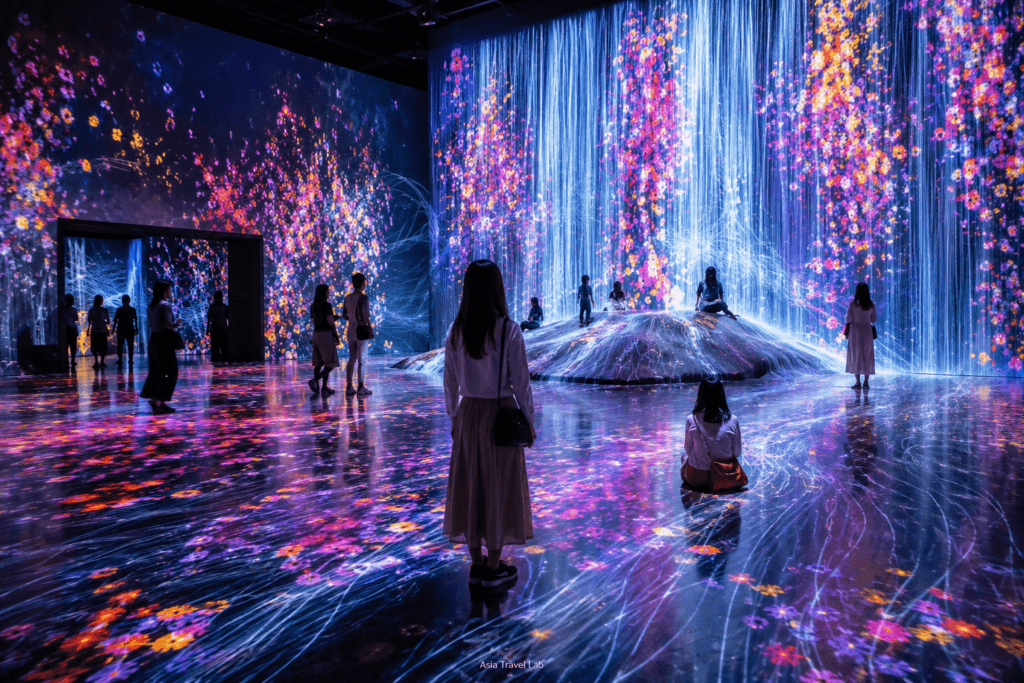
Roppongi is known for art, nightlife, international restaurants, and a more grown-up city atmosphere. Nearby Azabudai Hills has become one of Tokyo’s newer high-profile areas and is home to teamLab Borderless.
teamLab Borderless is one of Tokyo’s most popular indoor attractions. It is a digital art museum where rooms, lights, projections, and moving visuals blend into each other. It is especially useful for rainy days, hot summer afternoons, or travelers who want a visual experience beyond temples and shopping streets.
Opening hours can change depending on the date, so check the official calendar before booking. Weekends and holiday periods can be busy, so advance tickets are recommended. You can compare available dates through teamLab Borderless tickets before finalizing your Tokyo schedule.
Roppongi and Azabudai Hills are best for art, dining, nightlife, and travelers who want a more modern Tokyo experience.
Best Views in Tokyo: Shibuya Sky or Tokyo Skytree?
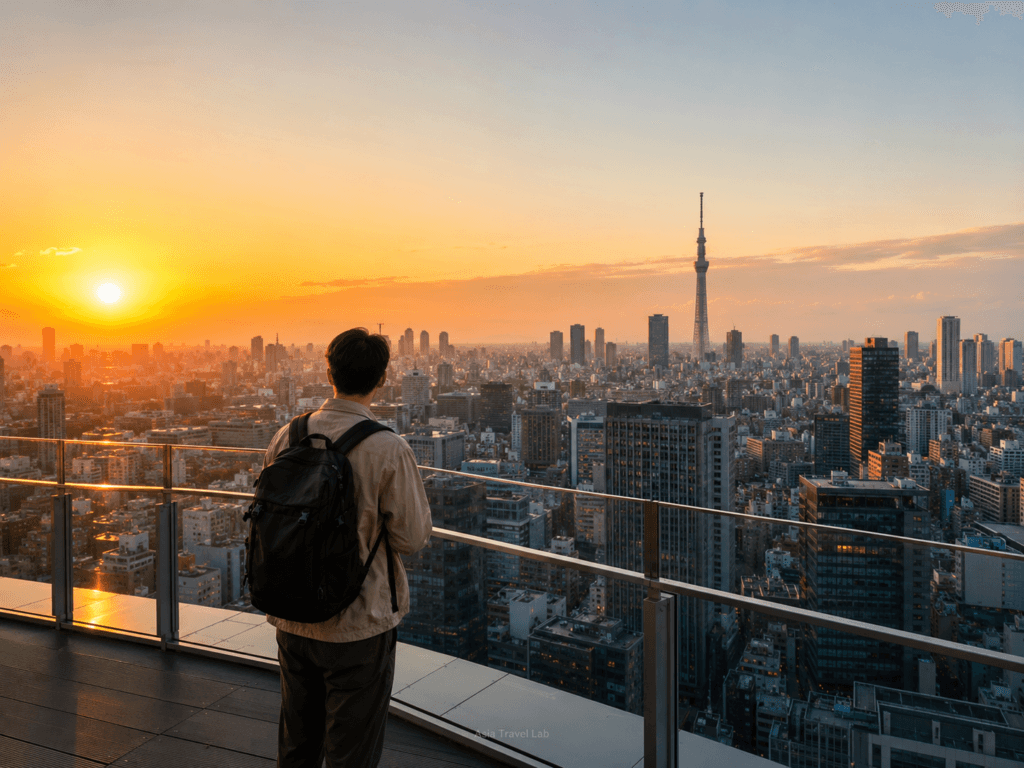
Tokyo has several excellent viewpoints, but first-time visitors often compare Shibuya Sky and Tokyo Skytree.
Shibuya Sky is best if you want a stylish rooftop experience in central Tokyo. It fits naturally into a Shibuya day and is especially popular around sunset. The view feels modern, dramatic, and very connected to the city below.
Tokyo Skytree is better if you are visiting Asakusa or want a classic Tokyo landmark. It is one of the city’s most famous structures and works well with Senso-ji Temple, Sumida River walks, and the Skytree shopping and restaurant complex.
Choose Shibuya Sky if you want:
- A central Tokyo viewpoint
- Rooftop atmosphere
- Sunset or night photos
- Easy pairing with Shibuya, Harajuku, or Shinjuku
Choose Tokyo Skytree if you want:
- A famous Tokyo landmark
- A higher observation deck
- Easy pairing with Asakusa
- Shopping and restaurants in the same complex
You do not need to visit both on a short trip. If your schedule is tight, choose the viewpoint that fits your route better. For easy planning, check Shibuya Sky tickets or Tokyo Skytree tickets after deciding which area fits your itinerary better.
In Tokyo, smart routing is half the battle.
What to Eat in Tokyo
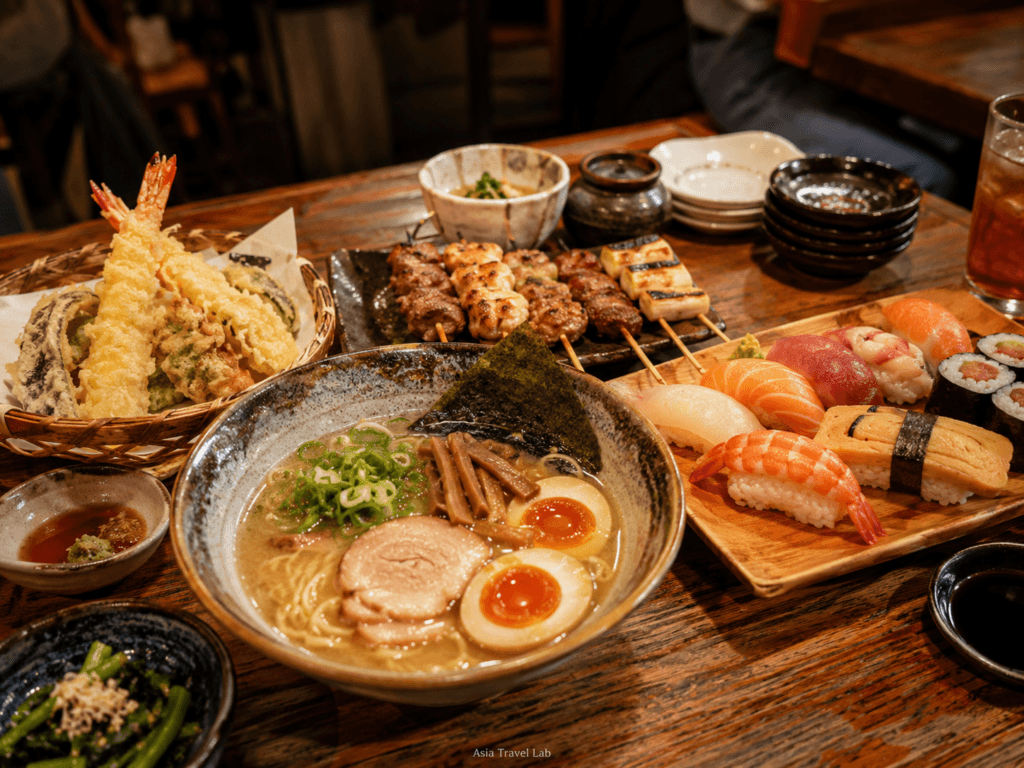
Tokyo is one of the best food cities in the world, but you do not need to eat at expensive restaurants to enjoy it. Some of the most memorable meals are simple: a ramen counter near your hotel, sushi from a market area, yakitori in a narrow alley, or a convenience-store breakfast eaten before an early train.
Sushi and Seafood
Tsukiji Outer Market is still one of the easiest places for travelers to enjoy seafood, sushi bowls, grilled scallops, tamagoyaki, snacks, and casual market food. It is busy and tourist-friendly, but it is fun for a morning food walk.
Toyosu Market is the modern wholesale market area and is better for travelers who are interested in the tuna auction, market observation areas, or newer food facilities nearby. For most first-time visitors, Tsukiji is easier and more casual. Toyosu is better if you want a more planned market visit.
Ramen
Tokyo has ramen everywhere, from famous shops to small station-area restaurants. Shinjuku, Ikebukuro, Ueno, Tokyo Station, and many local neighborhoods have good ramen options.
Do not stress too much about finding the “perfect” bowl. Tokyo ramen does not need dramatic research every time. Sometimes the best ramen is the one near your hotel when your legs are tired and the steam from the bowl feels like emotional support.
Tempura and Soba
Tempura and soba are classic Tokyo meals that work well for travelers who want something traditional but not too heavy. You can find casual soba shops near stations, as well as more refined restaurants in areas like Ginza, Nihonbashi, and Asakusa.
Cold soba is refreshing in summer, while hot soba is comforting in winter. Tempura is a good choice if you want a proper sit-down meal without needing to decode a huge menu.
Monjayaki
Monjayaki is a Tokyo-style dish often associated with the Tsukishima area. It is cooked on a hot plate and has a softer, runnier texture than okonomiyaki. It may not win a beauty contest, but it is very local and fun to try if you enjoy casual food experiences.
If you want something more Tokyo-specific than sushi or ramen, monjayaki is a good addition to your food list.
Yakitori and Izakaya Food
Izakaya are casual Japanese pubs where you can order small dishes and drinks. Common foods include yakitori, karaage, sashimi, grilled fish, potato salad, edamame, and seasonal specials.
Shinjuku, Shibuya, Ueno, Yurakucho, and Ebisu are good areas for izakaya-style evenings. If you do not drink alcohol, you can still enjoy the food, but check the atmosphere before sitting down because some places are more bar-focused than restaurant-focused.
Convenience Store Food
Tokyo convenience stores are genuinely useful for travelers. You can find onigiri, sandwiches, salads, fried chicken, desserts, coffee, bottled tea, and simple meals.
They are perfect for breakfast, late-night snacks, rainy mornings, or days when restaurant hunting feels like one task too many. A good convenience-store snack can save a travel day from becoming hungry nonsense.
Department-Store Food Halls
Department-store food halls are excellent in Tokyo. Look for basement food floors in areas like Ginza, Shinjuku, Ikebukuro, and Tokyo Station.
You can find bento, sushi, sweets, bakery items, fruit, deli foods, and gifts. This is also a good option if you want to take food back to your hotel after a long day.
How to Get Around Tokyo
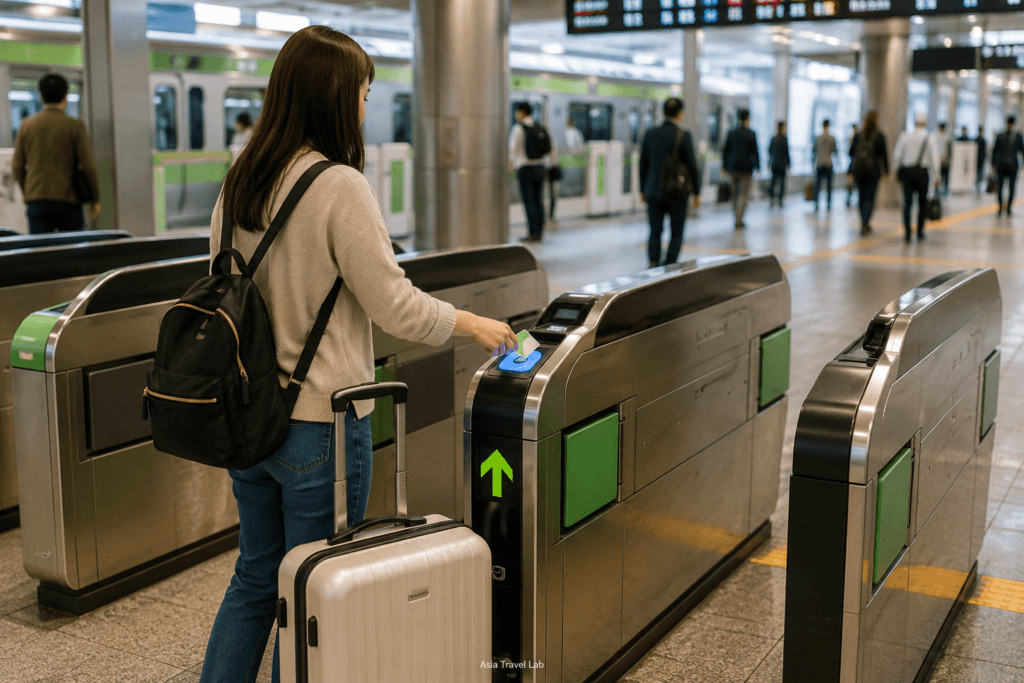
Tokyo’s transport system looks intimidating at first, but it becomes much easier once you understand the basics.
For most visitors, the easiest way to get around is to use an IC card such as Suica, PASMO, Welcome Suica, or other visitor-friendly options available at the time of your trip. You tap in and out at train gates, and you can also use IC cards at many convenience stores, vending machines, and shops.
Welcome Suica is designed for short-term visitors and is valid for 28 days from the date of purchase. Availability and purchase locations can change, so check the official JR East information before your trip.
The Tokyo Subway Ticket can be useful if you plan to use Tokyo Metro and Toei Subway lines heavily. At the time of writing, adult tourist prices are listed as:
- 24-hour ticket: 1,000 yen
- 48-hour ticket: 1,500 yen
- 72-hour ticket: 2,000 yen
This pass can save money on subway-heavy sightseeing days, but it does not cover every train line in Tokyo. If your route uses JR lines often, an IC card may be simpler.
Mobile data is also very useful in Tokyo. Train transfers, station exits, restaurant searches, attraction bookings, and translation apps are much easier when your phone works the moment you land. If you want to prepare before arrival, check Japan eSIM for travelers so you are not hunting for Wi-Fi while standing in a station with luggage and mild confusion.
Simple Tokyo transport tips:
- Use an IC card for everyday travel
- Consider a Tokyo Subway Ticket only if your route uses many subway rides
- Stay near a useful train or subway station
- Give yourself extra time at large stations
- Check the correct station exit before walking to restaurants or attractions
One thing that surprises travelers is how much walking happens inside stations. A transfer that looks short on a map can become a small indoor pilgrimage if you choose the wrong exit.
How to Get from Haneda and Narita Airport to Tokyo
Tokyo has two main international airports: Haneda and Narita.
Haneda is closer to central Tokyo and is usually easier if your flight options are similar. It connects to the city by train, monorail, bus, taxi, and private transfer. The best option depends on your hotel area, luggage, arrival time, and budget.
Haneda is especially convenient for areas like Shinagawa, Hamamatsucho, Ginza, Tokyo Station, Shibuya, and Shinjuku.
Narita is farther from central Tokyo, so your best route depends more heavily on where you are staying. The Keisei Skyliner is a fast option for Ueno and Nippori. Narita Express can be useful for major areas like Tokyo Station, Shibuya, and Shinjuku. Airport buses can be easier if they stop near your hotel and you have large luggage.
General airport advice:
- Staying near Ueno or Asakusa? Check Keisei Skyliner options.
- Staying near Shinjuku, Shibuya, or Tokyo Station? Compare Narita Express and airport buses.
- Arriving late at night? Check the final train or book Tokyo airport transfer if you want a simpler arrival.
- Traveling with large luggage? A direct airport bus may feel easier than multiple train transfers.
For first-time visitors, do not choose your airport transfer only by travel time. Choose the option that gets you closest to your actual hotel without turning your suitcase into a small rolling villain.
Best Time to Visit Tokyo
Tokyo is a year-round destination, but spring and autumn are usually the easiest seasons for first-time visitors.
Spring
Spring is one of the most popular times to visit Tokyo because of cherry blossoms. Parks, riversides, gardens, and temple areas become especially beautiful.
Popular spring spots include Ueno Park, Shinjuku Gyoen, Chidorigafuchi, Meguro River, and Asakusa. The downside is that hotels can be more expensive, and famous cherry blossom areas get crowded.
Spring is beautiful, but it is not a secret. Everyone else also received the blossom memo.
Summer
Summer in Tokyo is hot, humid, and lively. It is a season for festivals, fireworks, cold drinks, shaved ice, and late evenings outside. It can also be tiring if you plan too much outdoor sightseeing during the afternoon.
If you visit in summer, build your days carefully. Do outdoor activities in the morning or evening, then use the hottest part of the day for museums, teamLab Borderless, cafes, shopping complexes, department stores, or hotel breaks.
Autumn
Autumn is one of the best seasons to visit Tokyo. The weather is usually more comfortable, and the city becomes easier to walk around. Parks and gardens also become beautiful when the leaves change color.
This is a great season for neighborhoods like Asakusa, Ueno, Harajuku, Omotesando, Ginza, and Shinjuku Gyoen.
Winter
Winter is colder, but Tokyo is still very manageable. The air can be clearer, which makes it a good season for skyline views. Winter is also good for illuminations, shopping, hot ramen, cafes, and fewer sweaty subway moments.
If you do not mind cooler weather, winter can be a pleasant and slightly less exhausting time to visit.
Where to Stay in Tokyo for First-Time Visitors
Choosing where to stay in Tokyo matters. The city is huge, and a good hotel location can make your trip feel smooth. A bad location can make every day feel like a puzzle with luggage.
For a full accommodation breakdown, connect this section to Where to Stay in Tokyo 2026. If you already know your preferred area, you can also compare Tokyo hotels for first-time visitors before prices climb during cherry blossom season, autumn, holidays, or major event periods.
Shinjuku
Shinjuku is one of the best areas for first-time visitors who want convenience, nightlife, food, shopping, and strong transport connections. It is busy, but it makes getting around Tokyo easier.
Stay here if you want the most practical all-around base.
Shibuya
Shibuya is great for travelers who want energy, shopping, cafes, nightlife, and easy access to Harajuku and Omotesando. It feels younger and trendier than some other areas, though hotels can be expensive.
Stay here if you want your first Tokyo trip to feel lively from the moment you step outside.
Ginza and Tokyo Station
Ginza and Tokyo Station are good for travelers who want comfort, shopping, restaurants, department stores, and easy Shinkansen access. This area feels more polished and less chaotic than Shinjuku or Shibuya.
Stay here if you want convenience with a calmer, more elegant city atmosphere.
Asakusa and Ueno
Asakusa and Ueno can be better value than Shibuya or Shinjuku. Asakusa has a more traditional feel, while Ueno is practical for transport, museums, food, and access from Narita.
Stay here if you want good value, useful connections, and a less flashy base.
Roppongi and Akasaka
Roppongi and Akasaka are good for dining, nightlife, art, and a more international atmosphere. These areas can work well for repeat visitors, couples, or travelers who want restaurants and nightlife without staying in Shinjuku.
Stay here if you want a slightly more grown-up Tokyo base.
Suggested Tokyo Route for First-Time Visitors
If this is your first time in Tokyo, do not try to see every famous area in one day. Tokyo rewards smart grouping.
Day 1: Shibuya, Harajuku, Omotesando and Shinjuku
Start at Meiji Shrine in the morning, then walk toward Harajuku and Omotesando. Spend the afternoon around Shibuya, then visit Shibuya Sky if you have a ticket. End the evening in Shinjuku for food and night atmosphere.
This is a strong first-day route because it gives you shrine calm, fashion streets, city energy, and neon Tokyo without too much backtracking.
Day 2: Asakusa, Ueno and Tokyo Skytree
Visit Senso-ji Temple in Asakusa in the morning, then explore Nakamise Street and nearby shops. Continue to Ueno for the park, museums, or Ameyoko, then head to Tokyo Skytree if you want a skyline view from the east side of the city.
This day is good for traditional Tokyo, casual food, and city views.
Day 3: Tsukiji, Ginza and Tokyo Station
Start with a morning food walk around Tsukiji Outer Market. Then continue to Ginza for department stores, cafes, shopping, and food halls. Later, walk around Tokyo Station and Marunouchi.
This route is good for food, shopping, and a more polished side of Tokyo.
Day 4: Akihabara, Roppongi and Azabudai Hills
Visit Akihabara for anime, games, electronics, and pop-culture shops. Later, head toward Roppongi or Azabudai Hills for museums, dining, or teamLab Borderless.
This day works especially well if you want modern Tokyo, art, and pop culture.
For a full day-by-day plan, connect this section to Tokyo Itinerary 2026.
Common Mistakes to Avoid in Tokyo
Trying to Visit Too Many Areas in One Day
Tokyo looks manageable on a map until you realize every neighborhood has layers. Shibuya alone can take hours if you include shopping, cafes, Shibuya Sky, side streets, and dinner.
Instead of jumping across the city all day, group nearby areas together. Shibuya, Harajuku, Omotesando, and Shinjuku work well together. Asakusa, Ueno, and Tokyo Skytree also make a good route.
Booking a Hotel Far from a Useful Station
A cheaper hotel is not always cheaper if it adds 30 minutes of transport each way. In Tokyo, station access matters more than room size for most travelers.
Try to stay within easy walking distance of a useful train or subway station. Your future tired self will be grateful.
Not Checking Attraction Tickets in Advance
Popular attractions like Shibuya Sky, Tokyo Skytree, and teamLab Borderless can sell out during busy periods. Book ahead if your schedule is fixed, especially for sunset views, weekends, holidays, or peak travel seasons.
If you prefer to organize major paid attractions in advance, check Tokyo attraction tickets before your trip and compare dates around your itinerary.
Underestimating Station Exits
Large Tokyo stations can have many exits, and choosing the wrong one can add serious walking time. Before heading to a restaurant, hotel, or attraction, check the recommended exit on your map app.
This sounds small, but in Tokyo it matters. One wrong exit can turn a simple walk into an accidental urban expedition.
Eating Only at Viral Restaurants
Tokyo has many famous restaurants, but you do not need to chase every viral place. Some of the best meals are simple and unplanned: ramen near your hotel, sushi in a food hall, yakitori in a side street, or a warm convenience-store snack after a long day.
Leave room for small food discoveries.
Ignoring Rainy-Day Plans
Tokyo is still enjoyable in bad weather, but you need a backup plan. Good rainy-day choices include teamLab Borderless, museums, department stores, underground shopping streets, cafes, food halls, and shopping complexes.
If rain appears in the forecast, do not panic. Tokyo has plenty of indoor escape routes.
Tokyo Travel FAQ
How many days do you need in Tokyo?
For first-time visitors, 3 to 5 days is a good amount of time. Three days lets you see the major highlights. Four or five days gives you more breathing room for food, shopping, museums, slower neighborhood walks, and a possible day trip.
Is Tokyo expensive?
Tokyo can be expensive, especially when it comes to hotels in popular areas. Daily food and transport, however, can be more reasonable than many travelers expect. Casual restaurants, ramen shops, convenience stores, food halls, and set meals can help keep costs under control.
Is Tokyo easy for first-time visitors?
Yes. Tokyo is large and sometimes confusing, but it is safe, organized, and well connected by public transport. The hardest part is not getting around. It is deciding what not to do.
Should I stay in Shinjuku or Shibuya?
Stay in Shinjuku if you want the best overall transport convenience, nightlife, and food options. Stay in Shibuya if you want a younger, trendier atmosphere with shopping, cafes, and easy access to Harajuku and Omotesando.
Both are good choices. Your travel style matters more than finding one perfect answer.
Is Tokyo good for families?
Yes, Tokyo can be very good for families if you plan carefully. Parks, museums, character shops, Tokyo Disney Resort, Tokyo Skytree, food halls, and easy public transport can all work well for family trips. The main thing is to avoid overpacked days.
If Disney is part of your Tokyo plan, check Tokyo Disney Resort tickets early because popular dates can sell out, especially around weekends, school holidays, and peak travel seasons.
Can I visit Kyoto and Osaka from Tokyo?
Yes. Many travelers combine Tokyo, Kyoto, and Osaka on the same Japan trip using the Shinkansen. Tokyo to Kyoto works best as a travel day rather than a casual day trip, especially if it is your first time in Japan.
For route planning, connect this with Tokyo to Kyoto and Osaka by Shinkansen 2026.
Do I need cash in Tokyo?
Cards are widely accepted in many places, but cash is still useful for small restaurants, older shops, temples, markets, lockers, and local places. Carry some yen with you, but you do not need to walk around with a dramatic treasure pouch.
Is Tokyo safe at night?
Tokyo is generally very safe compared with many major cities, including at night. Still, use normal travel sense in nightlife areas, watch your belongings, avoid suspicious touts, and know how to get back to your hotel before the trains stop running.
Final Thoughts
Tokyo is big, bright, layered, and much easier to enjoy when you stop trying to defeat it like a travel boss level.
For a first trip, focus on the classic areas: Shibuya, Shinjuku, Asakusa, Harajuku, Omotesando, Ginza, Ueno, Akihabara, and one or two major views or attractions like Shibuya Sky, Tokyo Skytree, or teamLab Borderless.
Stay near a useful station, group your neighborhoods wisely, use an IC card, book popular attractions ahead, and leave space for food breaks. Tokyo is not a city you finish. It is a city you sample, wander through, misunderstand slightly, and then want to visit again.
Before you travel, it can also help to arrange essentials like Japan eSIM for travelers, Tokyo airport transfer, or major attraction tickets if your schedule is fixed.
And honestly, that is part of the charm.